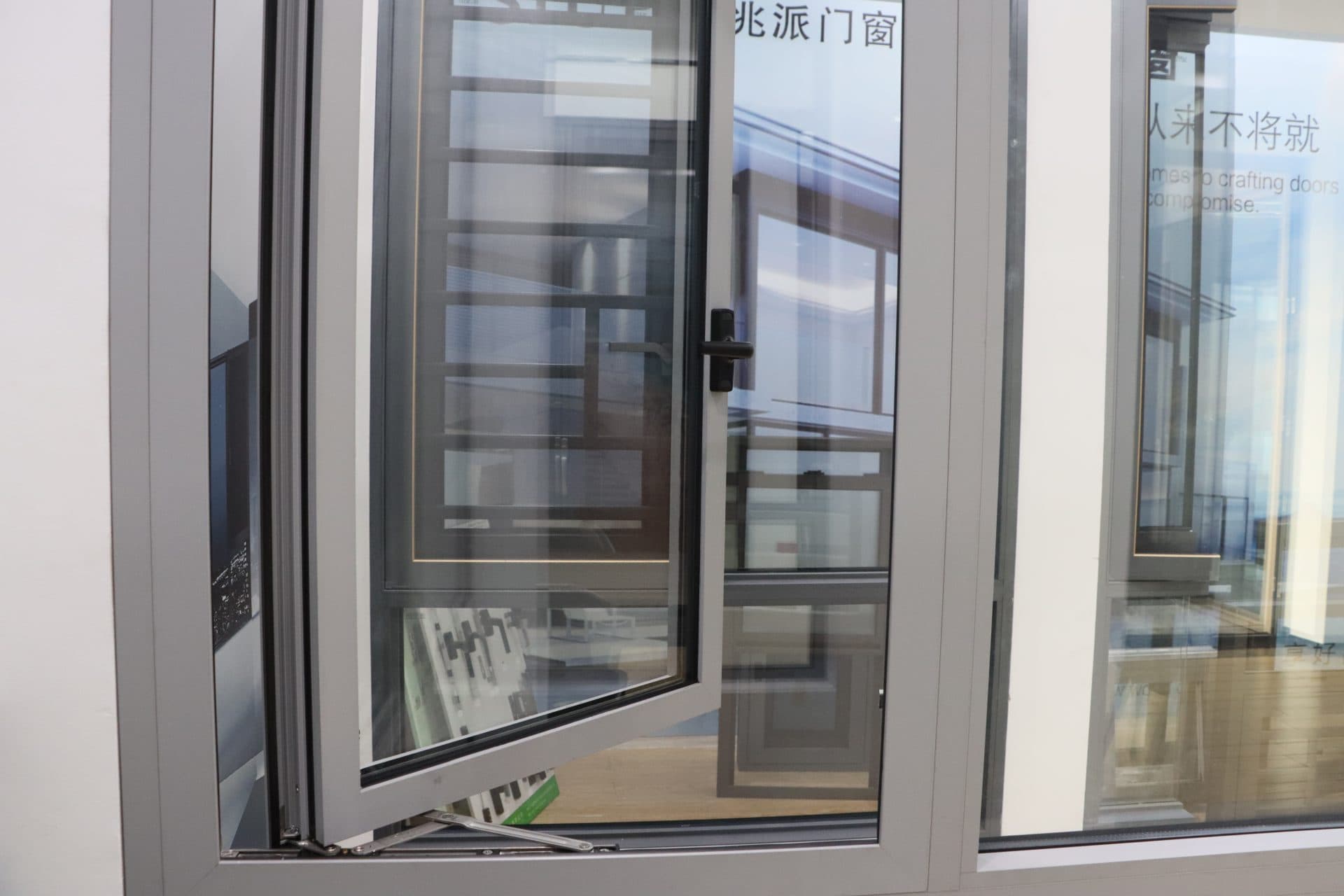
Manufactured homes have unique characteristics, and windows play a crucial role in enhancing their functionality, comfort, and aesthetics. They’re evolving to meet modern energy rules and what consumers want. Window choice is super important for making these homes comfortable, safe, and cost – efficient.
Article Overview
Regulatory and Performance Requirements
Manufactured homes have to follow the HUD Code (24 CFR Part 3280). This code sets rules for windows, like they need to resist winds up to 110 mph in hurricane zones. They also need to be thermally efficient, with a U – factor of ≤ 0.35 in most climates. And for safety, bedrooms need to have egress openings of at least 20″ × 24″.
Big builders like Champion Home Builders and Clayton Homes are going above these standards. They offer ENERGY STAR® – certified windows. These windows can cut heating and cooling costs by 12 – 15% compared to non – certified ones. This helps deal with both rules and money pressures.
Common Window Types and Their Features
Hung Windows
Single – hung and double – hung windows are really popular in manufactured homes. They make up about 65% of installations. They’re affordable, costing between $150 – $400 per unit. They’re easy to take care of and work well for controlling ventilation. For example, the Pella® 250 Series has vinyl frames with a U – factor as low as 0.30. In storm – prone areas, there are hurricane – rated options for extra safety.
Sliding Windows
Sliding windows are used in about 25% of manufactured homes. They’re great for narrow walls because they save space. Their low – profile frames help stop air from leaking. The Milgard® Tuscany Series is made of vinyl and has laminated glass to reduce noise. It costs between $100 – $300 per unit.

Fixed and Picture Windows
Fixed and picture windows are less common, around 10% of the market. But they’re really good in non – operable areas. They’re very energy – efficient, with U – factors below 0.20, and need little maintenance. They cost from $80 – $250 per unit.
Technological Advancements
Technology is changing how well windows work in manufactured homes. Low – E glass coatings and argon gas fills can cut solar heat gain by 40 – 70%. This means less need for air conditioning in hot places. Products like Cardinal LoĒ³ – 366® glass block 95% of UV rays while still letting you see out clearly. This protects the inside of the home from fading.
In hurricane – prone areas, impact – resistant windows are a must in some states like Florida and Texas. They follow the ASTM E1996 standard. These windows use laminated glass and can stand winds up to 150 mph. They cost 20 – 30% more than regular models. The PGT® WinGuard® is a good example of this type of window.
Frame materials have also gotten better. Vinyl is replacing old aluminum designs. Vinyl can cut conduction heat loss by 50%. The JELD – WEN® V – 4500 Series combines vinyl frames with argon – filled glass. It has a U – factor of 0.29 and comes with a lifetime warranty.
Cost Considerations
The cost of replacing windows in a manufactured home is usually between $300 – $1,200 per unit, depending on size and features. But if you get high – efficiency upgrades like ENERGY STAR® models, you can save $100 – $300 a year on utility bills. This means you can get your money back in 3 – 7 years. This is making more people choose these better windows, especially in places with extreme temperatures.
Future Trends
Looking ahead, smart windows (like electrochromic glass that changes tint by itself) and sustainable materials (like recycled vinyl or FSC – certified wood cladding) are becoming more popular in the high – end market. Modular installation techniques could also cut labor costs by 20 – 30%. This is because window walls can be pre – assembled in factories.
In short, windows for manufactured homes need to balance being affordable, following the rules, and having good energy performance. Even though traditional designs like single – hung and sliding windows are still liked, new ideas in glass tech, impact resistance, and frame materials are changing what we expect.
Builders and homeowners should focus on ENERGY STAR® certification, proper installation, and what works for their climate. This way, they can save money and be comfortable in the long run. For manufacturers, using automation and eco – friendly materials is important. It’ll help them meet the growing demand and follow stricter energy codes, keeping manufactured homes as a good housing choice for millions.