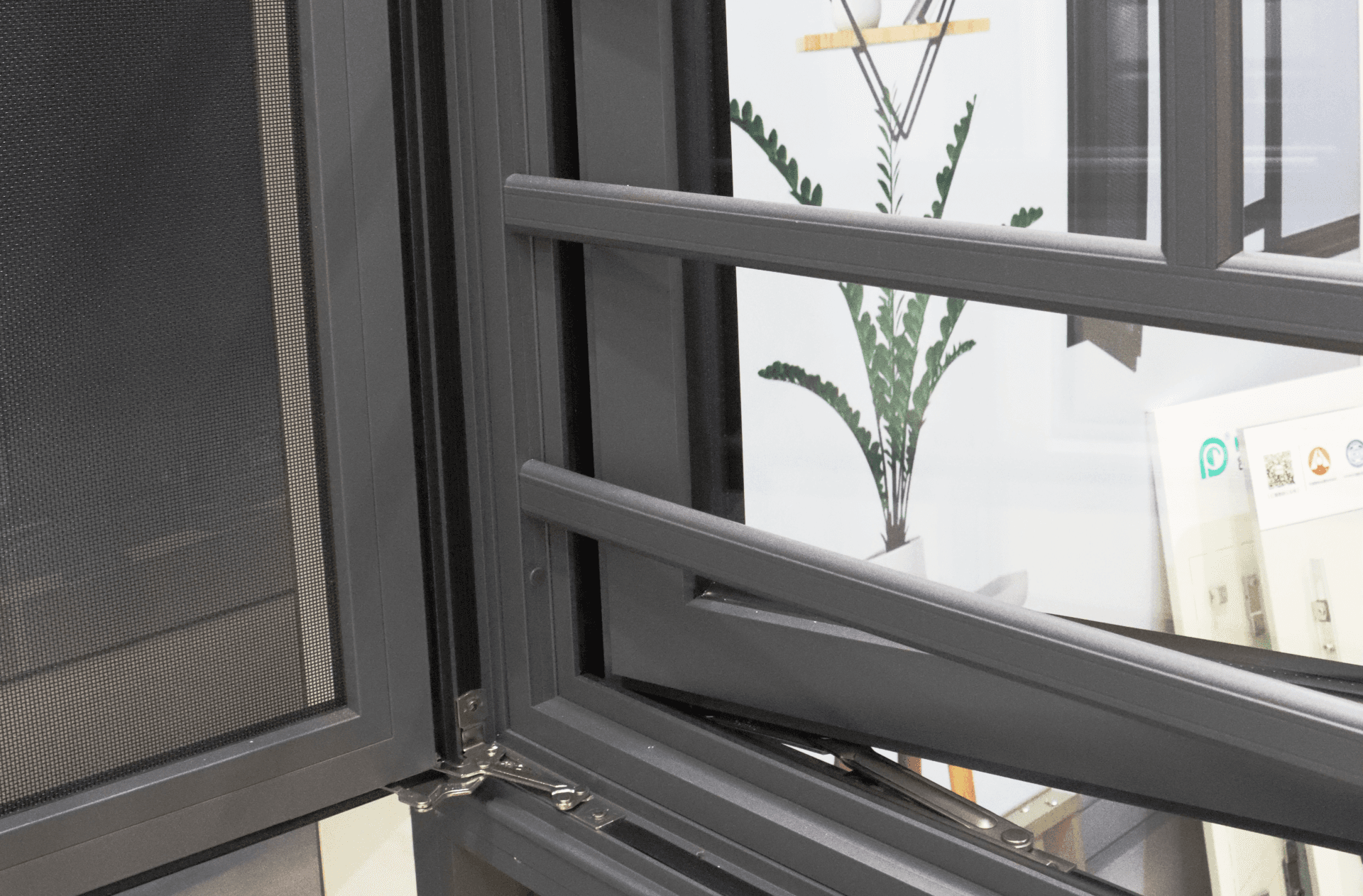
Windows connect your home to the outside world. They affect light, privacy, safety, energy use and the whole look of your house. Window blinds and simple window grills are two common choices for windows. You can use both together. But they have different main uses. Know their differences, and you can choose the right fit for your home. This guide breaks them down one by one to help you pick the best choice.
Article Overview
Window Blinds: Manage Light and Boost Home Comfort
What Are Window Blinds?
it coverings put on the inside of windows. They mainly control light, privacy and what you see outside. Blinds can have slats—either horizontal or vertical. Or they can be a single piece of fabric. You can lift, lower or turn them easily. Blinds are nice to look at and useful for your room’s decor. They don’t add security or support the window structure.

Main Types of Window Blinds
Horizontal Blinds (Venetian): Have slats that you can adjust, running side to side. Made of aluminum, real wood or fake wood.
Vertical Blinds have long up-and-down strips on a track. They’re perfect for wide windows and sliding glass doors. Roller Shades are one single piece of fabric. They roll up into a small tube when not in use.
Roman Shades are fabric blinds. They fold into soft horizontal layers when you lift them up. Window blinds have great practical benefits. You can adjust light simply: turn the slats to set how much sunlight gets in and where it goes. This reduces glare on screens and keeps the room feeling nice and comfortable.
You also get easy privacy control: keep your clear view of the outside and stop others from looking in, or close the blinds all the way for full privacy at home.
Save Energy: Blinds act as an insulating layer when closed. The U.S. Department of Energy says medium-colored blinds with reflective backs work great. They cut extra solar heat by up to 45% in summer and reduce heat loss by up to 25% in winter. This lowers your energy bills.
Stylish and Flexible: Blinds come in many materials, colors and textures. They’re a key part of interior design. You can easily change them to match your home’s decor.
Easy to Keep Clean: Most blinds—especially aluminum and fake wood ones—are simple to clean. Just wipe or dust them off.
Best Rooms for Window Blinds
Bedrooms: Blackout roller or cellular shades help you sleep better.
Kitchens & Bathrooms: These areas are humid. Use moisture-resistant materials like aluminum, PVC or fake wood for blinds here.
Home Offices: Light-filtering horizontal blinds are perfect. They cut screen glare without making the room too dark.
Key Advantages of Simple Window Grills
Stronger Security:They form a tough physical barrier. Keeps strangers from breaking into your home by force.
Key Safety: They stop accidental falls, great for keeping kids and pets safe. Many local building rules—such as in New York City—say multi-story homes with young kids must have them.
Unblocked Air and View: Unlike solid shutters, grills let you open the window all the way for fresh air. They won’t block your view when the window glass is clear.
Low long-term care: Good quality grills with strong powder-coated or galvanized surfaces need very little upkeep. Just wash them every now and then. That’s all you need to do for upkeep.
Unique exterior style: Clean geometric shapes made of aluminum alloy add a special, modern look to your home’s outside.
Modern Window Grill Designs & Installation
Popular styles: Simple straight lines (vertical or horizontal), geometric shapes (squares, diamonds) and thin frames are popular now.
Where to install: Put grills on ground-floor and basement windows for safety.Upper-floor windows—especially in kids’ rooms or on balconies—are key for fall prevention.
Critical Safety Note
For any window that’s an emergency escape route, grills must have a quick-release device. You can open it from the inside without a key or any tools.
How to Choose Between Window Blinds and Window Grills
Q: What’s your main need for the window?
A: Do you need privacy (blinds), safety (grills), or both?
Q: Which room is it for?
A: Bedrooms need dark and private space—blinds are perfect. Ground-floor living rooms need more security—grills work better.
Q: What’s your budget?
A: Basic blinds are cheap and easy to get. Grills and smart blinds cost more, and they’re a long-term investment for your home.
Q: What’s the local climate like?
A: In hot, sunny places, reflective blinds cut down cooling costs. In humid or coastal areas, pick corrosion-resistant materials for both—like aluminum, stainless steel or fake wood.
Q: What’s your home’s style?
A: Make sure your choice matches the house. Use simple grills for modern homes, and wrought iron grills for traditional ones.
Installation & Maintenance Must-Knows
For Blinds
Measure the window accurately before installation, whether you mount blinds inside or outside the window frame.
Keep kids safe first: Choose cordless blinds. If there are cords, fix them high up with cleats or tension devices—follow WCMA “Best for Kids” rules.
Clean blinds often with a microfiber cloth or a vacuum brush head.
For Grills
Ask professional workers to install them. Grills must be firmly bolted to the house’s structural frame, not just the window trim.
Check if the installation follows local building codes. The space between grill bars can’t be over 4 inches—this stops kids’ heads from getting through. Egress windows must have emergency-release parts for quick escape.
Conclusion: Choose Wisely
Window blinds and simple window grills don’t compete with each other. They’re two useful things that meet different home needs. Blinds are for the inside—they make your home comfortable and let you control light and privacy. Grills are for the outside—they keep your home safe and secure.
Think about your real needs room by room. You can then make a perfect plan for your house. This plan will make your home nicer to look at, safer, more private, and save more energy. When you’re not sure what to choose, consult SIUPA Doors and Windows. They know all about local building codes and the special requirements for different climates.