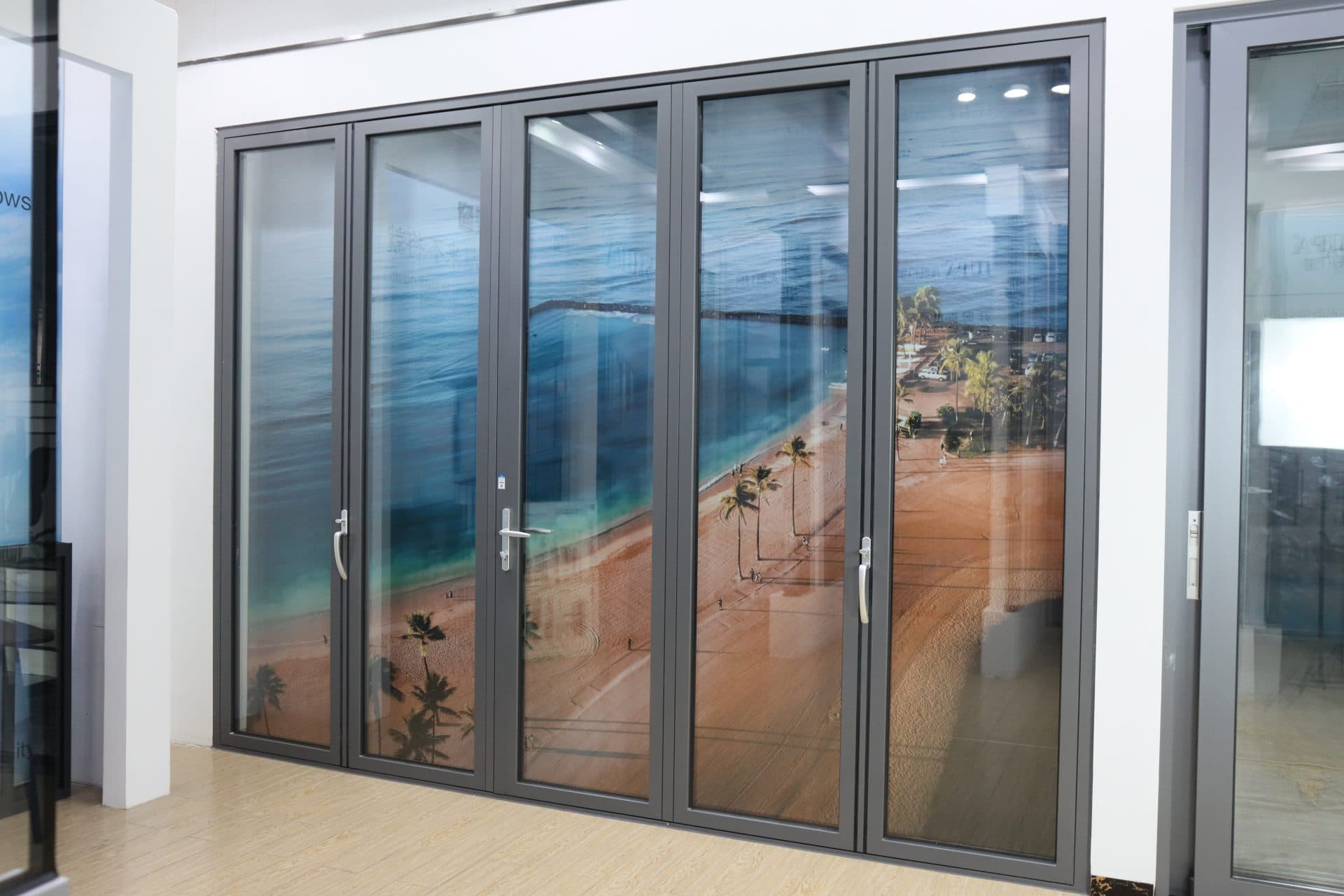
Bi-fold doors have become a defining feature of contemporary architecture. Their sleek lines, expansive glass panels, and flexible operation make them ideal for today’s open-plan living. Whether connecting a kitchen to a garden or turning a conservatory into a year-round living space, bi-fold doors blur the line between indoors and outdoors. In this article, we explore why they are so well-suited to modern homes—covering design, performance, cost, and practicality.

Article Overview
What Are Bi-fold Doors?
Bi-fold doors consist of multiple glass panels hinged together that fold back like an accordion. They slide along a top track and often a bottom track, stacking neatly to one or both sides of an opening. Unlike traditional French doors that swing inward or outward, or sliding doors that move parallel behind each other, bi-fold systems open up almost the entire wall width. This creates a wide, unobstructed passage—perfect for entertaining or enjoying outdoor views.
The key distinction lies in their operation: while sliding doors can only open 50% of the available space (since panels slide behind fixed ones), and French doors require significant swing space, bi-fold doors can achieve up to 90% opening coverage when fully retracted.
Top Benefits of Bi-fold Doors for Modern Living
Modern homes prioritize light, space, and connection to nature. Bi-fold doors deliver all three essential elements that define contemporary living.
Seamless indoor-outdoor flow: When fully opened, they remove visual and physical barriers, making gardens feel like natural extensions of the living room. This is particularly valuable for entertaining guests or creating family-friendly spaces that encourage outdoor activities.
Space-saving design: No door swing means no wasted floor space—ideal for compact urban homes where every square foot counts. Furniture placement becomes more flexible without worrying about door clearance zones.
Maximized natural light: Large glazed areas flood interiors with daylight throughout the day, reducing reliance on artificial lighting and creating brighter, more energizing living environments.
Clean, contemporary aesthetics: Slim frames (especially in aluminum) offer a minimalist look that perfectly complements modern architectural styles. The clean lines and unobtrusive hardware create a sophisticated appearance that enhances curb appeal.
Enhanced ventilation: Multiple panels can be partially opened for controlled cross-ventilation without compromising security. You can open just one panel as a regular access point or fold all panels back for maximum airflow.
Flexible configuration options: Open just one panel for everyday use, or fold all back for special occasions. Configurations can be customized to fold left, right, or both ways depending on your space layout.
Energy Efficiency and Insulation Performance
A common concern is whether extensive glazing compromises thermal performance. Modern bi-fold doors address this effectively through advanced engineering and materials.
Most high-quality units now feature double or triple glazing with low-emissivity (Low-E) coatings and argon gas fills between panes. Aluminum frames include thermal breaks—a plastic barrier that stops heat transfer between interior and exterior surfaces. uPVC and engineered timber options also offer excellent insulation properties.
According to the UK’s BFRC (British Fenestration Rating Council), top-tier bi-fold doors achieve Window Energy Ratings (WER) of A+ and U-values as low as 0.8 W/m²K—comparable to or better than standard energy-efficient windows. Advanced multi-point sealing systems with brush seals, rubber gaskets, and weather strips ensure exceptional air tightness.
Independent tests confirm that correctly installed bi-fold systems perform exceptionally well in winter conditions and can help lower heating bills by reducing heat loss through traditional patio doors by up to 15%.
Design Versatility for Contemporary Homes
Homeowners can customize bi-fold doors to match virtually any architectural style and personal preference.
Frame materials: Aluminum offers the slimmest sightlines and superior durability with minimal maintenance; uPVC provides better thermal insulation at a lower cost but with thicker profiles; timber gives warmth and classic beauty but requires regular maintenance like painting or oiling.
Color and finish options: Powder-coated finishes offer over 200 color choices, from classic white and black to anthracite grey and custom RAL colors. Woodgrain effects and dual-color schemes (different colors inside and out) provide additional customization possibilities.
Custom configurations: Systems can accommodate 2 to 8 panels depending on opening width, with folding directions tailored to your space. Corner installations with no vertical posts are now possible, creating dramatic corner openings.
Smart home integration: Premium models include motorized operation via smartphone apps, compatible with smart home ecosystems like Apple HomeKit, Google Home, or Amazon Alexa for convenient remote control.
Cost Considerations: Investment vs. Long-term Value
In the UK, a standard 3-panel bi-fold door (approximately 2.4m wide) costs £2,500–£4,500 installed. Premium aluminum systems with triple glazing can reach £7,000+, while larger configurations (4-6 meters) typically range from £4,000 to £12,000 including professional installation.
Key factors affecting price include:
Number of panels and total opening width
Frame material (aluminum typically costs more than uPVC)
Glazing specification (triple glazing adds 15-25% over double glazing)
Hardware quality and security features
Custom sizes or specialized configurations
While upfront costs are higher than sliding or French doors, bi-fold doors add significant resale value to properties. A 2023 study by the Royal Institution of Chartered Surveyors (RICS) found that homes with high-quality glazed extensions featuring bi-fold doors sold for 5–10% more than comparable properties. Additionally, energy savings from improved insulation can offset initial investment over time, with typical payback periods ranging from 8-12 years.
Maintenance costs remain low—primarily limited to track cleaning and occasional lubrication—with expected lifespans of 20–30 years for quality installations.
Bi-fold Doors vs. Alternatives: Making the Right Choice
Understanding how bi-fold doors compare to other options helps homeowners make informed decisions based on their specific needs.
Bi-fold vs. sliding doors: Sliding doors leave half the opening blocked by fixed panels, limiting maximum access to 50% of the available space. Bi-folds offer wider access (up to 90%) but require adequate stacking space when folded. Sliding doors are slightly cheaper and may be better suited for very wide openings exceeding 6 meters where bi-fold stacking space becomes impractical.
Bi-fold vs. French doors: Traditional French doors take up valuable interior space when opened and usually cover only 50–60% of the aperture due to swing limitations. Bi-folds maximize opening area and eliminate swing space requirements, though they do need level thresholds for smooth operation.
Best applications by door type:
Bi-fold doors: Kitchen-diner extensions, garden rooms, large patios, and entertainment spaces
Sliding doors: Balconies, narrow terraces, and very wide openings where stacking space is limited
French doors: Traditional homes, side entrances, and smaller openings where full-width access isn’t required
Installation and Planning Considerations
Installing bi-fold doors often involves structural modifications that require professional expertise and proper planning permissions.
Structural requirements: Large bi-fold installations typically need reinforced lintels or steel beams to support the wall above, especially when creating new openings in load-bearing walls. Structural engineer consultation is essential for openings wider than 3 meters.
Planning permissions: In the UK, replacing existing doors usually falls under “permitted development” rights, meaning no planning permission is required for most residential properties. However, new openings in side elevations, upper floors, or properties in conservation areas may require formal planning approval. Always check with your local council before proceeding.
Professional installation: Expert installation is strongly recommended to ensure proper alignment, weatherproofing, and long-term performance. Misaligned tracks or poor sealing can lead to leaks, drafts, or operational issues. Reputable installers follow BS 644 and BS 7412 standards for windows and doors.
Timeline considerations: Typical installation takes 1–2 days after delivery, but lead times for custom orders range from 6–12 weeks depending on manufacturer workload and customization complexity.
Maintenance and Durability Expectations
Proper maintenance ensures decades of reliable performance from your bi-fold door investment.
Routine care includes:
Wiping tracks monthly to remove dirt, leaves, and debris that could impede operation
Lubricating hinges, rollers, and moving parts annually with silicone-based lubricants
Checking weather seals for wear every few years and replacing as needed
Cleaning glass and frames with mild soap and water, avoiding abrasive cleaners
Material-specific considerations:
Aluminum: Highly resistant to corrosion and weathering; requires minimal maintenance beyond cleaning
uPVC: Won’t warp or rot; maintains appearance with basic cleaning
Timber: Requires repainting or re-oiling every 5–8 years to maintain protection and appearance
With proper care, quality bi-fold doors last 20–30 years. Most reputable manufacturers offer comprehensive warranties—typically 10 years on frames and hardware, with 5 years on installation workmanship.
Security Features of Modern Bi-fold Doors
Contemporary bi-fold doors incorporate advanced security features that address historical concerns about large glazed openings.
Multi-point locking systems: When engaged, these systems secure panels at multiple points along the vertical edge—typically top, middle, and bottom—making forced entry extremely difficult.
Reinforced construction: Frames use enhanced aluminum extrusions or reinforced uPVC profiles designed to resist prying and impact forces.
Safety glass specifications: Glass typically meets BS 6206 standards for safety glazing, using either toughened glass (which shatters into small, harmless pieces) or laminated glass (which holds together even when broken due to an interlayer).
Additional security measures: Anti-lift devices prevent panels from being raised out of tracks, while internally beaded glazing ensures glass cannot be removed from the exterior.
Many quality bi-fold door systems meet PAS 24:2022—the UK benchmark for enhanced security—and carry Secured by Design certification, a police-backed initiative that validates resistance to common burglary methods.
Real-Life Applications and Design Inspiration
Bi-fold doors have transformed how homeowners use and experience their living spaces across various applications.
Kitchen-diner extensions: The most popular application in UK renovations, creating bright, social hubs that seamlessly connect cooking and dining areas to outdoor entertaining spaces.
Garden studios and home offices: Used to link dedicated workspaces to outdoor relaxation zones, providing natural light and fresh air while maintaining separation from main living areas.
Open-plan lounges: Folding away entire walls for summer entertaining or creating flexible spaces that adapt to different activities and guest numbers.
Commercial applications: Restaurants, cafés, and boutique hotels use bi-fold systems to create flexible indoor-outdoor service areas that enhance customer experience and maximize usable space.
Architectural publications regularly feature innovative uses of bi-fold doors, from corner installations that eliminate traditional corners to multi-story applications that create dramatic vertical connections between floors and outdoor terraces.
Frequently Asked Questions
Q:Are bi-fold doors suitable for all weather conditions?
A:Yes—if properly specified and installed. Look for systems tested to BS EN 12208 (water tightness) and BS EN 12210 (wind resistance). Quality bi-fold doors are designed to handle UK weather conditions effectively.
Q:How much space do I need for installation?
A:Allow approximately 300mm per folded panel on the stacking side(s). For a 4-panel door, you’ll need roughly 1.2m of clear wall space for the folded stack.
Q:Can they fit existing openings?
A:Often yes, but structural assessments are essential. Existing openings may need reinforcement to accommodate new track systems and ensure proper load distribution.
Q:What’s the typical lead time?
A:Custom bi-fold doors typically require 6–10 weeks from order to delivery, depending on manufacturer capacity, material availability, and customization complexity.
Conclusion
Bi-fold doors combine beauty, function, and performance in a way few architectural elements can achieve. For modern homeowners seeking abundant natural light, flexible living spaces, and seamless outdoor access, they represent not just a current trend but a smart, long-term upgrade that enhances both daily living and property value. With proper specification, professional installation, and routine maintenance, bi-fold doors deliver decades of reliable performance while transforming how we experience our homes and outdoor spaces.