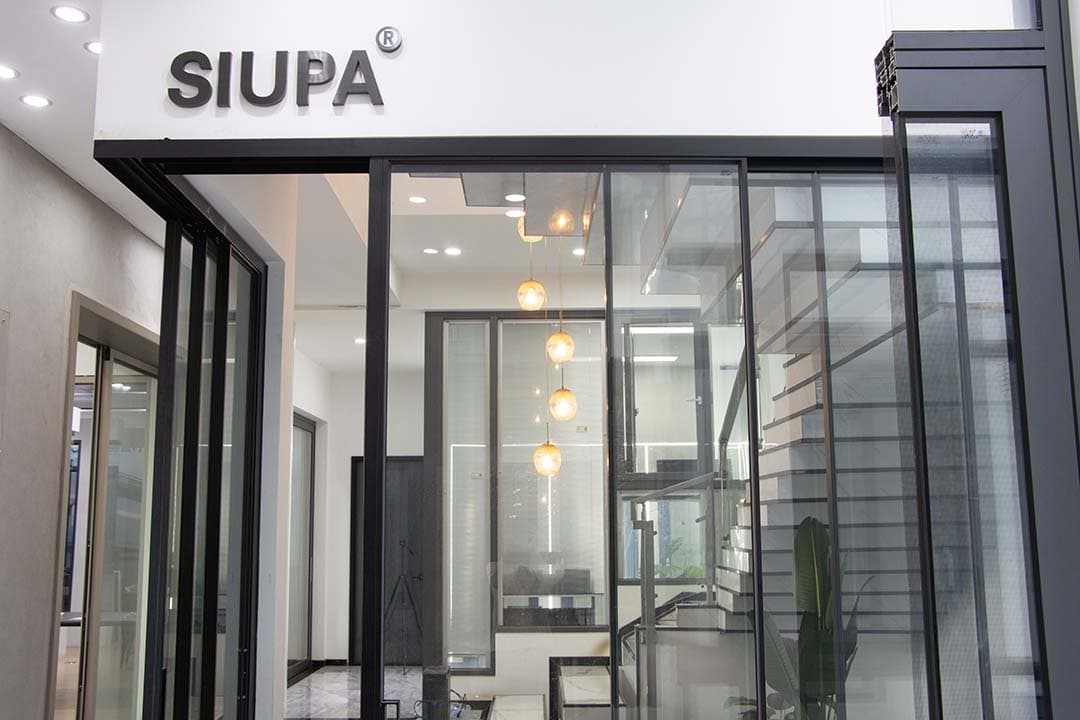
Article Overview
General Rules for Window Sizes in the Philippines
Window sizes here often go up by 100 mm or 300 mm. that is because of standard concrete block sizes. Also because of window frame systems. Most home windows have sizes within these ranges: width from 600 mm to 2400 mm. Height from 600 mm to 2100 mm. These numbers are for the rough opening. That means the hole in the wall. Not the window unit itself. People installing windows leave a gap. Usually 10 mm to 20 mm on each side. This gap lets them install correctly and more easy. Allows for sealing. Lets materials expand or contract with temperature.
The Philippine building code has rules. Rooms where people live must have openable windows. The openable area be at least 10% of the floor area. Unless you have a mechanical ventilation system. Then maybe different. So in most living spaces, windows that can open are more popular than fixed ones.
Fixed Windows
Fixed windows do not open. Main job is giving an unobstructed view. Letting in natural light. You see them in living rooms. Stairwells. Decorative walls. Common widths are from 900 mm to 2400 mm. Common heights from 600 mm to 1800 mm. Some common standard sizes: 900×1200 mm. 1200×1500 mm. 1500×1800 mm. Bigger fixed panels are possible. Up to 3000 mm wide. But they need tempered or laminated glass. Stronger aluminum frames too. Must meet rules for wind and safety.
Good things: fixed windows keep heat out well. Block water better then casement windows or sliding windows. Bad things: no fresh air. So not good as only window for bedroom or kitchen.That should be a fixed windows go with casment windows or sliding windows .

Casement Windows
Casement windows are very popular in the Philippines. They open fully. Seal tight. Give great ventilation. Perfect for wet and rainy climate. For a single panel: width 600 mm to 900 mm. Height 900 mm to 1500 mm. For two panels: common sizes are 1200×1200 mm or 1500×1500 mm. SIUPA designer suggest: a single panel should not be heavier than 50 to 60 kg. This keeps hinges lasting long.
Opening outward is much more common. But if space is tight outside, like near a walkway or balcony, you can get inward-opening ones.but in this situation ,I suggest you should use sliding windows .
Good things: seal air very well. Great airflow. Easy to put mosquito screens. Bad things: need outside space to open. If not locked proper, strong typhoon winds might damage them.

Sliding Windows
Sliding windows are popular in apartments. Townhouses. Narrow pieces of land where space is tight. For two-panel windows: total width 1200 mm to 2400 mm. Three-panel windows can be up to 3000 mm wide. Standard height is 1200 mm to 1800 mm. A single sliding panel is usually 600 mm to 900 mm wide. Each panel slides sideways on rollers. You can only open 50% of total area at one time.
Good things: easy to use. Save space. Bad things: seal using tracks. So not as airtight or watertight as casement windows. Aluminum sliding windows made in the Philippines must meet certain standards for air leakage. They need drainage holes. Heavy rain during monsoon season comes. If holes not designed well, problems happen often.
Top-Hung Windows
Top-hung windows hinge at the top. Open outwards from the bottom. Great for tight spaces. High on walls. Bathrooms. Above kitchen counters. Common sizes: 600×800 mm. 800×1000 mm. 1000×1200 mm. SIUPA designer suggest : not to make them larger than 1.2 square meters.
Glass tilts, so it blocks rain. You can leave them open for ventilation even when raining lightly. Good thing. Bad things: don’t let in as much air as casement windows. Dust builds up on outside sill. Hinges and locks must resist rust. Humid weather here. Must handle wind too. Stainless steel or powder-coated hinges are standard choice.SIUPA suggest powder coat hinges is not good for the long use of windows ,because after long time use ,the powder coated suface may peeling off.
Tilt-and-Turn Windows
You don’t see these often in regular homes. But becoming more popular in high-end houses. Green building projects too. They work really well. Standard width: 700 mm to 1200 mm. Height: 1200 mm to 1800 mm.
Two modes. Tilt mode: top tilts inwards. Safe ventilation. No drafts. Turn mode: whole side-swing opens inwards. Easy cleaning. Emergency escape route too. These windows often use double glazing. Special low-E glass. Low U-factor(USA). Means they insulate well. Valuable for energy-saving homes. Green building certification likes this.
Bad things: cost more. 100USD times more than standard aluminum windows . Complex hardware,And when it damaged you need to apart all the panel and Need professionals to install and maintain.
Double-Hung Windows
Double-hung windows are not very common in modern Philippine buildings. Sometimes you see them in traditional-style houses. American-style homes. Common sizes: 900×1200 mm. 1200×1500 mm. To work smooth, moving panels usually kept to height of 1500 mm or less.
Both top and bottom panels slide up and down. Gives some flexibility for ventilation. Bad things: don’t seal very well. Hard to clean outside. Tracks get stuck with dust. Not the best choice for tropical climate because of these reasons.
How to Choose the Right Window Size in the Philippines
Follow these steps to pick good window sizes.
First, measure the rough opening careful. Use tape measure. Write down smallest width and height. Leave gap of 10 mm to 20 mm total. For installation and sealant.
Second, check building code and local rules. Make sure windows give enough light. Living rooms: glass area at least 10% of floor area. Fresh air: openable area at least 5% of floor area.
Third, think about room use. Bedrooms and living rooms: casement or sliding windows sized 1200×1200 mm or bigger. Good choice. Bathrooms and kitchens: top-hung or small casement windows from 600×800 mm up to 900×1200 mm. Work well. Hallways and stairwells: fixed windows just for light. Fine.
Fourth, think about climate and wind. Building near coast? Tall building? Need impact-resistant glass. Stronger frames. Typhoon-grade hardware. Must meet wind load rules.
Fifth, talk to local suppliers early. Big brands like ALUMCO, C&P, and Technoform have catalogs. Standard sizes that fit local building practices. Custom sizes cost more money. Take more time.
Finally, think about energy efficiency. Rooms with air conditioning? Choose aluminum frames with thermal break. Double-glazed windows. Helps lower cooling bills. Important part of energy saving in the Philippines.
End
Philippines does not have one strict national rule for window sizes. But many years of building experience created a system. Sizes are modular. Work well in the climate. These common sizes balance how well window works. Balance cost. Balance following rules. Building a simple house? Building a fancy condo? Knowing these standard window sizes helps.
Match size and type to how room will be used. Match to which way it faces. Match to local weather. Your home will be comfortable. Last long. Follow building code. Follow advice of local makers. Follow national building code. Homeowners and builders can make smart choices. These choices make homes in the Philippines more pleasant to live in. More valuable for long time.
Lorem ipsum dolor sit amet, consectetur adipiscing elit. Ut elit tellus, luctus nec ullamcorper mattis, pulvinar dapibus leo.