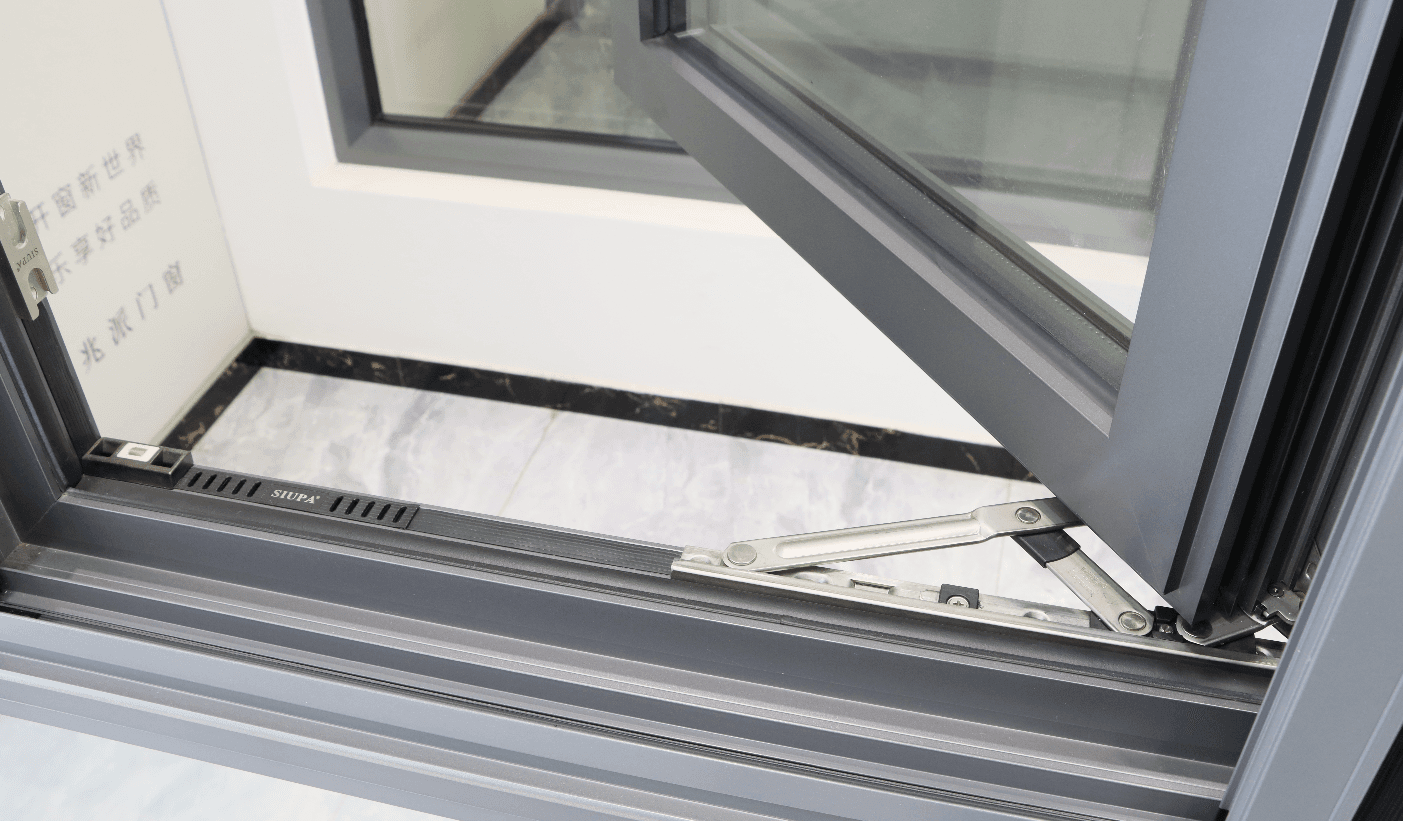
You see casement windows everywhere in homes and office buildings. They open outward or inward with hinges on one side. They’re great for letting air in and keep the weather out when shut. But like anything, they’re not perfect. Here are some real downsides.

- They’ll Cost You
Plain and simple, casement windows are pricier than sliding ones. Why? The hardware. We’re talking multi-point locks, heavy-duty hinges, handles, and good rubber seals. In tall buildings, you might even need a stronger frame. A basic one-square-meter casement with double-pane glass? Around 350 yuan. A sliding window of the same size? More like 250 yuan. Fancy glass options? Add 30-40% on top.

Installation is trickier too. Everything has to line up perfectly—hinges, locks—or the window won’t close right. That means higher labor costs. And down the road? You’ll spend money keeping the hardware working and replacing stuff that wears out. So if you’re watching every dollar, casements might not be your best bet.
- They Need Room to Swing
Casement windows need space to open. Out-swingers? You need about a foot of clearance outside. Building codes sometimes want even more for big windows or balcony units. In-swingers? They eat up room inside. They’ll bump into furniture, curtains, or people.
This is a headache in smaller city apartments—think Beijing or Shenzhen. You can’t put a wardrobe or desk under an in-swinging window. It just won’t work. So when square footage is tight, architects might pick something else.
- Forget Window AC Units
Here’s a big one: casement windows and window air conditioners don’t mix. Those AC units need a solid, fixed opening with a strong sill to sit in. But casement windows? They open all the way. No fixed opening. Try to force it and you’ll either block the window or wreck the frame.
Chinese building codes pretty much say “don’t do it.” So buildings with casement windows need split-system ACs or central air. More money upfront, more hassle to install. This really bites when you’re renovating and your windows lock you into certain AC choices.
- Wind Can Be a Problem
Out-swinging casements catch the wind like a sail. This matters in tall buildings or coastal spots that get typhoons. If the window isn’t tough enough, strong gusts can bend the frame, bust the hinges, or even break the glass. China’s building standards spell out exactly how wind-resistant windows need to be, depending on where you are.
Good casements get tested for this. But cheap hardware or sloppy installation? Trouble. You hear stories of wind ripping sashes open or wrecking seals, leading to leaks and higher energy bills. Sure, you can add wind catches or restrictors, but that’s more money and more stuff to deal with.
- Cleaning Outside Glass Is a Pain
Ask anyone with out-swinging casements: cleaning the outside glass is the worst. Especially if you’re above the first floor. Unlike tilt-and-turn windows you can clean from inside, these don’t give you any way to reach the outside pane. So you’re looking at ladders, scaffolding, or hiring someone. Dangerous and costs keep adding up.
Green building standards actually mention this—they encourage window designs you can clean safely from inside. That tells you something. Leave the outside dirty and you get less light, a shabby-looking building, and dirt/moisture that can wreck your seals. Property forums are full of people complaining about this.
- Hardware Needs Looking After
Casement windows work because of their moving parts: hinges, locks, handles, connecting rods. All that stuff wears out. Frequent use, moisture, dust—it adds up. Skip the maintenance and they get stiff, noisy, or just quit.
Here’s what the pros say: check hardware every 6-12 months, give it a shot of silicone spray. Humid climate with cheap metal parts? They can rust in 2-3 years. No maintenance means your window won’t close tight or lock secure anymore. That’s basically losing the two best things about casements.
- Open Windows Raise Safety Concerns
Open casements come with some safety issues. Out-swinging sashes? Falling risk for kids and pets. That’s scary in high-rise buildings.
Security-wise, an open casement is weak. Someone can reach through or mess with the sash to force it open. Security standards call open casements “low security” unless you add extra locks, alarms, or security film. Lots of people bolt on extra locks themselves, but they often look clunky and don’t fit right.
Bottom Line: Know What You’re Getting
Look, casement windows ventilate well, save energy, and look good. That’s why new buildings love them. But the downsides are real: higher cost, space issues, no window ACs, wind vulnerability, cleaning headaches, maintenance needs, safety worries. You need to think about all this up front.

In crowded cities, coastal zones, or budget projects, these problems might just outweigh the good stuff. But in lower buildings with plenty of room, good hardware, and people who’ll do the upkeep? Casements are still a fine choice. Follow the standards, buy quality parts, stay on top of maintenance. That’s how you deal with their natural flaws.
Bottom line? Knowing the whole picture helps you choose right. Balance function, safety, and cost. That way your windows work well for years and years.