
Article Overview
Why Are Sliding Windows Popular in Philippine Homes?
Sliding windows are one of the most popular choices for homes across the Philippines. They fit our tropical weather well. They let cool breezes in. They block heavy rain and strong sunlight. They stand up to typhoon winds. They are simple to open and close every day. Cities like Manila, Cebu, or Davao have tight spaces. Many people live in condos, townhouses, or small apartments. Sliding windows work perfectly here. They don’t swing outward like casement windows. They glide sideways on a track. You don’t need extra room to open them. You get wide, clear views of the outside. Up to 50% of the window can open. This lets in great fresh air flow. Their clean, modern look fits new builds. It also suits home renovations.
What Makes a High-Quality Sliding Window in the Philippines?
When shopping for sliding windows in the Philippines, focus on four key parts. These parts make a good sliding window. First is frame material. Aluminum is the top choice. It’s strong. It won’t rust—even near the sea or in humid areas. It lasts long and needs little care. Look for frames made from 6063-T5 aluminum alloy. It’s the standard for quality.
Live in a hot area? Pick thermal break windows. These have a plastic layer inside the frame. The layer stops heat from coming in. Your home stays cooler. Your aircon bill goes down.
Second is glass type. It matters a lot. It affects comfort, safety, and energy use. Single-pane glass is cheap. But it offers poor insulation. Double glazed windows Philippines use two panes. Air or argon gas fills the space between them. They cut down heat and noise. They are ideal for busy streets or sunny rooms. Low-E coating reflects solar heat. It still lets light through. It helps keep indoor temperatures lower. Tempered glass is safer. Building codes often require it. It’s needed for large windows or those near floors. If it breaks, it shatters into small, blunt pieces. No dangerous shards.
Third are seals. They keep rain out. This is essential during monsoon season. Look for EPDM rubber gaskets around the glass. Look for brush-type weatherstripping between panels. These block water, dust, and hot air. They make your windows truly typhoon-resistant windows.
Fourth are rollers. They should glide smoothly. Rollers let the window slide. Quality ones are made of stainless steel or high-grade nylon. They have sealed bearings. They should move quietly. Even with heavy double-glazed glass. Adjustable rollers help keep everything aligned over time.
What Philippine Building Standards Apply to Sliding Windows?
All windows in the Philippines must meet national safety rules. Wind load is key. Windows in typhoon zones or high-rises must resist winds up to 250 km/h. Water resistance is another standard. Windows are tested under standards like AAMA 501.1. Good designs include drainage holes (weep holes). These let rainwater flow out. Less air leakage means better energy efficiency. Tight seals lead to lower electricity bills. Thermal performance is important too. The Green Building Code uses OTTV. It limits heat gain. Thermal break windows and Low-E glass help meet this target. They are part of energy-efficient windows.
What Are the Best Sliding Window Brands in the Philippines?
You’ll find several reliable suppliers when shopping for sliding windows in the Philippines.
YKK AP Philippines offers premium aluminum window systems like the AERAS 620, commonly used in high-end developments by Ayala Land and SMDC. They’re known for smooth operation, excellent air and water sealing, and strong performance in typhoon conditions.
CitiWindows is a well-established local brand that provides custom-made sliding windows at mid-range prices. They use quality 6063-T5 aluminum and tempered glass, and serve homeowners across Luzon, Visayas, and Mindanao.
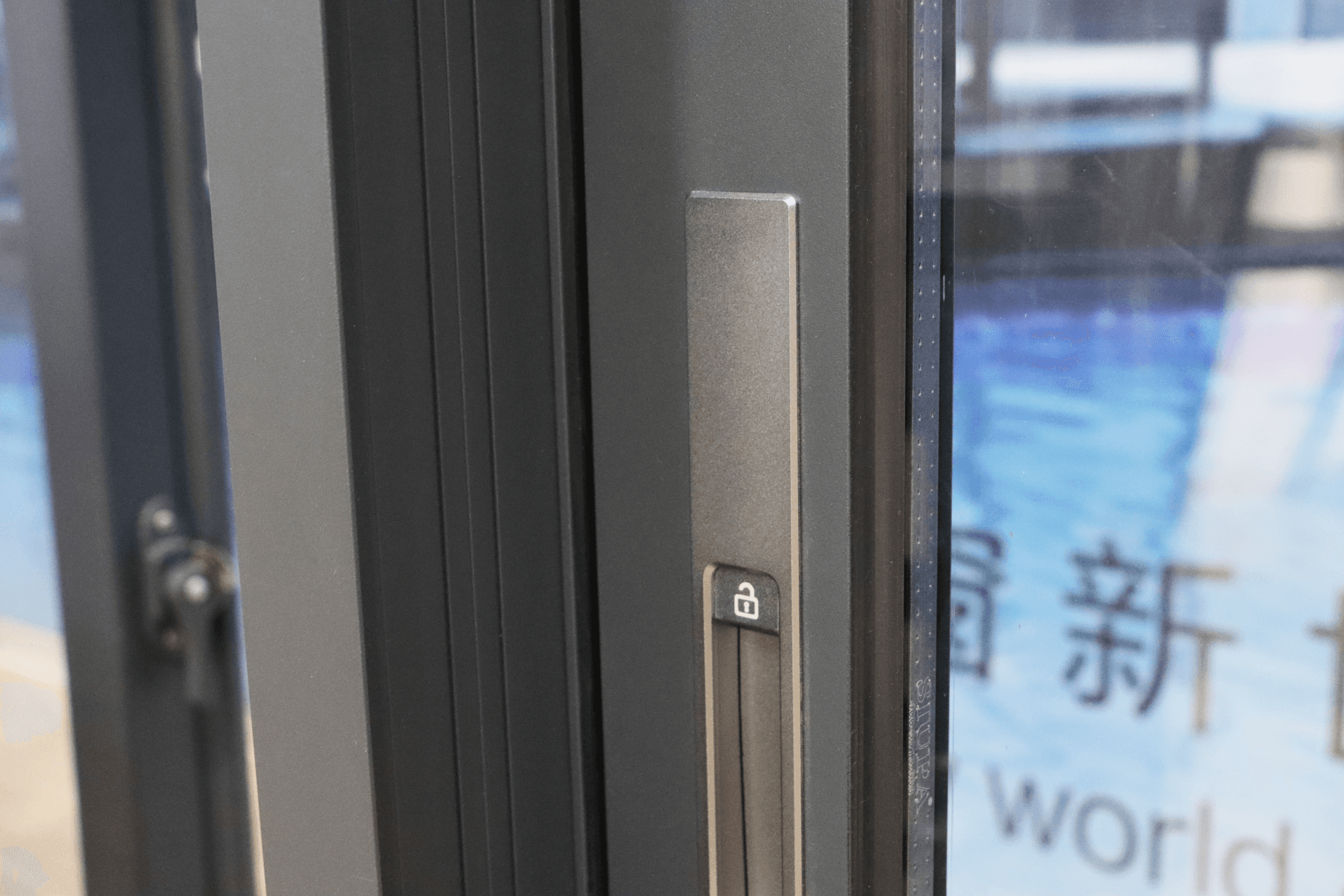
Newer but gaining trust is SIUPA Doors and Windows, a growing Philippine supplier specializing in durable aluminum windows and doors designed for tropical weather. They offer a range of standard and custom solutions, including thermal break and double-glazed options. You can explore their products or request a quote directly through their official website.
To find the right fit, visit showrooms in Manila, Cebu, or Davao—or ask your architect or contractor for referrals. You can also search online for terms like “aluminum windows” to compare local options.
What Are the Pros and Cons of Sliding Windows in the Philippines?
Sliding windows have clear pros and cons. Consider these before buying. Pros: They save space. No swing needed. They let in lots of air—up to half the window opens. They give wide, unobstructed views. They look modern and clean. They are easy to use every day. They are secure with multi-point locks. Cons: Only half the window opens at a time. The bottom track collects sand and dust. It needs frequent cleaning. They can leak if installed poorly. Seals wearing out also causes leaks. High-performance models cost more. These include thermal breaks and double glazing.
What Should I Know Before Buying Sliding Windows in the Philippines?
Follow these smart tips before buying. Know your biggest need. Is it typhoon strength? Heat control? Or a budget-friendly option? Ask for test reports or certifications. Never skip professional window installation Philippines. A perfect window fails with bad fitting. Get 2–3 quotes. Compare glass type, frame thickness, hardware brand. Compare total installed price—not just the headline number. Choose sliding windows Philippines that match your location, climate, and lifestyle.
How to Maintain Sliding Windows for Longevity in the Philippines?
Take care of your windows. They will last decades. Clean the bottom track once a month. Use a dry brush or small vacuum. Lubricate rollers 1–2 times a year. Use silicone spray—never oil. Check seals every year. Replace them if they’re cracked or stiff. Keep weep holes clear. This lets water drain after rain.
Are Sliding Windows a Good Choice for Filipino Homes?
Sliding windows are a smart, useful choice for Filipino homes. They mix style, function, and toughness well. To get the best value, spend on quality. Choose strong aluminum frames, proper glass types, and tight seals. If your budget allows, go for thermal break and double glazing. They bring back benefits in comfort and savings. Most importantly, pick a reliable supplier. Demand expert installation. Do it right. Your windows will protect your home from sun, storms, and noise. They’ll make daily life more cozy, safe, and calm for years to come.