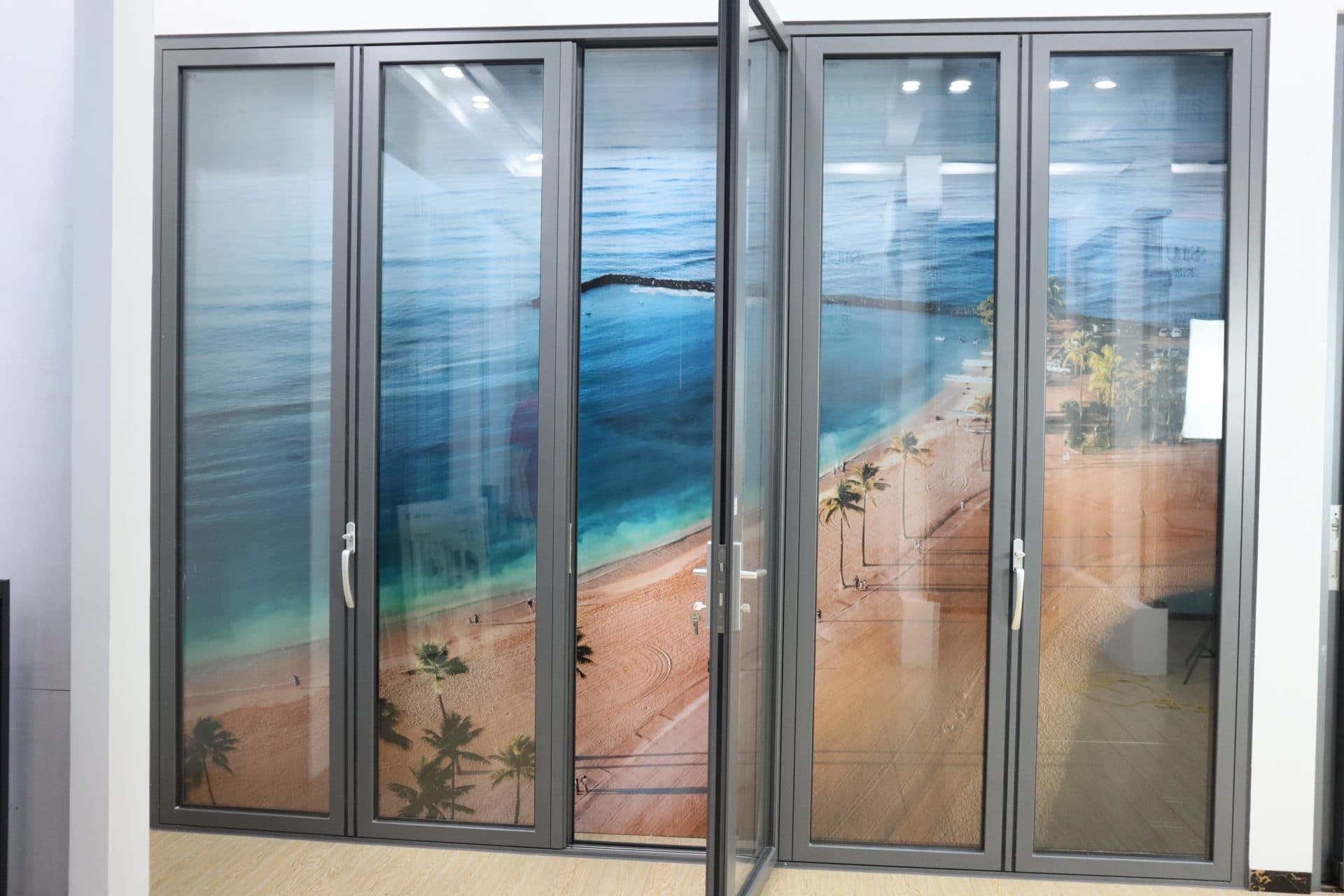
Premium windows and doors are ideal for Philippine homes. The country has a tropical climate. Think strong sun, heavy monsoon rains, high humidity and powerful typhoons. Normal windows and doors often fail. They might leak, bend, rust or let in too much heat. Your energy bills go up. Your home feels less cozy too.
Premium windows and doors fix these issues. They use quality materials, smart design and simple yet useful styles. They stand up to local weather. They make homes safer, cut energy use and last for decades. They cost more upfront. But they save you money and boost comfort over time. This guide helps you pick the best premium windows and doors for your Philippine home.

Article Overview
Top Premium Window & Door Brands in the Philippines
The Philippine market has many great brands for high-quality premium windows and doors.
Alumil Philippines sells aluminum systems. These systems are European-made. They have thermal break technology. This tech keeps heat out when it’s hot. It’s a top choice for luxury condos in Metro Manila.
YKK AP Philippines is a global leader in building facades. It offers hurricane-rated systems like APW 430 and APW 600. These systems are used in famous buildings such as The Gramercy Residences.
CitiWindows provides high-quality uPVC and hybrid aluminum-vinyl systems. They resist typhoons (tested to ASTM E330/E283). They also block noise well and offer custom options.
Other reliable brands include Reynaers, Fenesta and local brand Astra Windows. Reynaers is from Belgium. It has slim aluminum systems that stand up to cyclones. Fenesta is an Indian brand. It makes uPVC systems for tropical climates. These systems have UV protection.
When choosing a supplier, check for PNS, ASTM or EN certifications. Look at their past projects. Make sure they offer 10-20 year warranties for frames.
Best Materials for Premium Windows & Doors in the Philippines
The material of your windows and doors impacts their performance. You have several solid choices.
Premium aluminum is strong, smooth and rust-resistant. It has thermally broken profiles. These profiles have non-conductive polyamide strips. They keep heat out, lower cooling costs and prevent condensation.
Premium uPVC or vinyl is great for insulation. It blocks noise too. It needs little upkeep—no painting required. It resists salt corrosion near the coast. For Philippine homes, choose UV-stabilized uPVC. It stops the material from yellowing in strong sun.
Hybrid systems combine the best of different materials. They have aluminum on the outside. This makes them durable against bad weather. They have uPVC or wood on the inside. This improves insulation and looks nice. They’re perfect for beachfront homes. YKK AP’s Hybrid Series is a great example.
Key Features for Philippine Weather
Premium windows and doors must protect your home from typhoons, heat and noise. Focus on these key features.
For typhoon resistance: Pick products with ASTM E330 (wind load), E283 (air leakage) and E331 (water penetration) certifications. They should have multi-point locks, strong frames and good compression seals.
For energy savings: Choose Low-E glass. It reflects heat but lets light in. Double glazing with Argon gas works well too. These two can cut solar heat gain by 40-60%. Pair them with thermally broken frames. This can lower AC bills by 15-25%.
For noise reduction: Use laminated glass and well-sealed frames. Look for an STC rating of 35-45. This is perfect for homes in Manila.
For safety: Choose laminated glass, steel multi-point locks and strong hinges. EN 1627 certification is a plus. It means the product can resist forced entry for over 3 minutes.
Cost and Long-Term Value
- Premium aluminum: ₱7,200 – ₱11,200 per square meter. Lasts 25+ years.
- Premium vinyl: ₱4,800 – ₱7,200 per square meter. Lasts 20+ years.
- Hybrid systems: ₱9,600 – ₱14,200 per square meter. Lasts 30+ years (most durable).
They offer great long-term value. You can save 20-30% on energy bills in 10 years. They boost your home’s resale value by 5-10%. They need little maintenance. They also make your home more comfortable.
Final Tips for Choosing
To pick the best premium windows and doors for your Philippine home, work with professional suppliers. They’ll visit your home to give advice. They’ll take accurate measurements. They’ll also do certified installation.
Ask for test certificates. Ask for written warranties. Ask for references from past projects. This ensures good quality.
Premium windows and doors make your home more comfortable, safer and more valuable. Focus on weather resistance, energy efficiency and quality materials. You’ll get the best results.
FAQ
Q: What’s the best energy-efficient window for hot climates?
A: Choose three key things. A thermally broken aluminum or uPVC frame. Double-pane glass with a Low-E coating. Glass that controls solar heat gain. Check the NFRC label for Solar Heat Gain Coefficient (SHGC). A number below 0.4 works best for hot climates.
Q: Can uPVC windows withstand typhoons?
A: Yes. High-quality uPVC systems are made to resist typhoons. The key is internal reinforcement—usually galvanized steel inside the profiles. Hardware and glazing quality matter too. They must pass tests. Look for certifications like ASTM E330 for high wind pressure.
Q: Can I install them in an existing home?
A: Yes. Replacement or retrofitting is common. A professional will measure your current window/door openings. They’ll make a new unit to fit. This often improves weather sealing and performance.
Q: What maintenance do they need?
A: Very little. For aluminum: Clean with mild soap and water occasionally. Check seals every few years. For uPVC: Clean the same way—no harsh cleaners. Lubricate moving parts (locks, hinges) once a year with silicone-based lubricant.