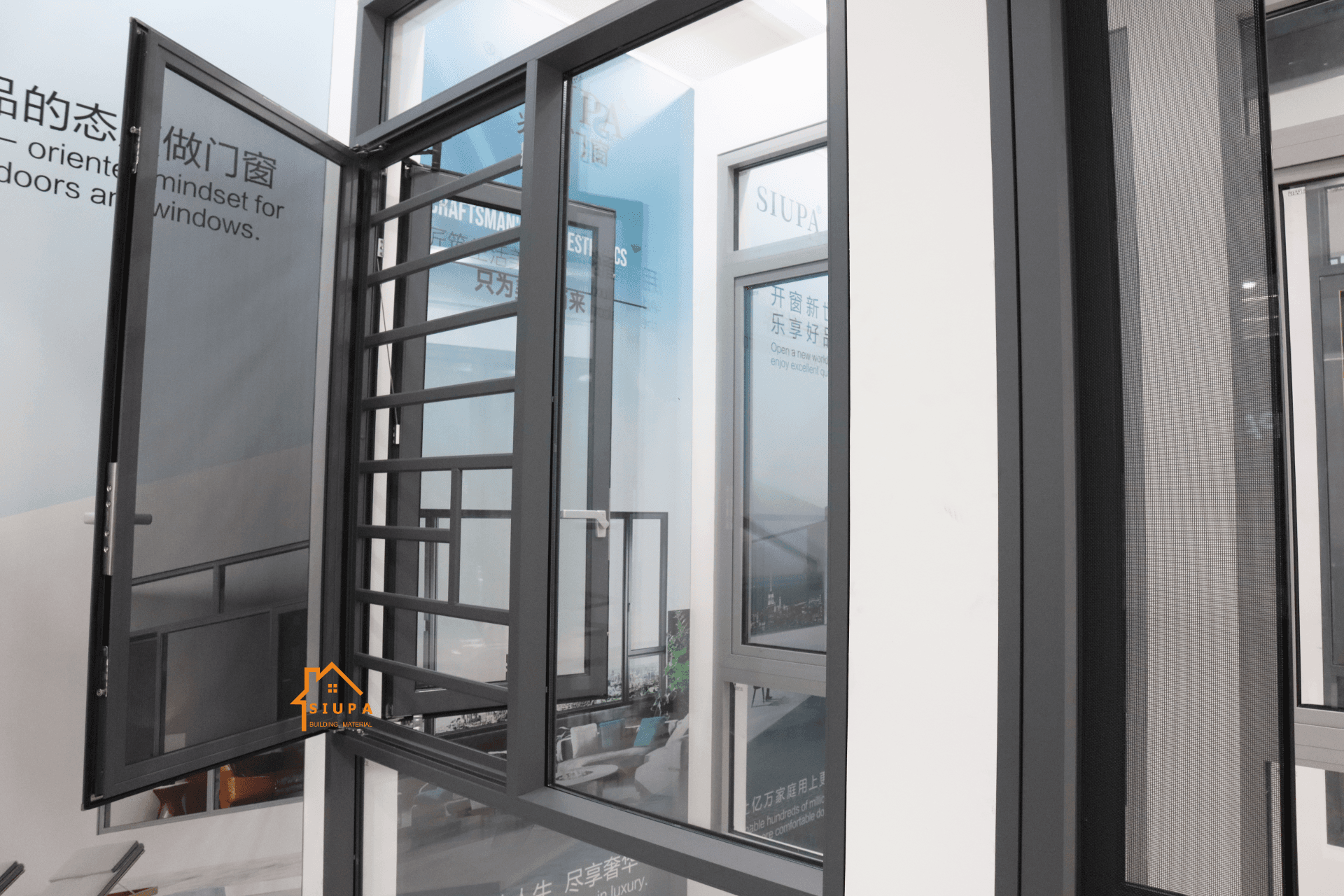
Modern window design is not just a tool for light and fresh air anymore. It has become an important part of buildings. It makes homes and offices look better, more comfortable to live in, and saves energy. It gets ideas from Modernism and Minimalism. The main thought is “simple lines, big glass, and fitting with nature.” This idea makes the line between inside and outside less clear. It changes how people feel about their space and the world around them. Many homeowners, architects, and designers now choose modern windows. They want bright, useful, and nice-looking living areas.
Article Overview
What Is a “Modern” Window? Core Principles
A modern window mixes function and beauty well. Four basic rules guide its design:

Simplicity: No extra decorations. It uses straight lines. It does not have complicated shapes. These things keep the window focused on its main job.
More glass: Make the frame small. Use more glass. This gives clear views and fills rooms with natural light. People love this feature in modern homes.
Smart placement: Put windows where they are needed most. Maybe to see a nice view, catch morning sun, or let fresh air flow through the house.
Connect inside and outside: Create links between indoor and outdoor spaces. These links can be seen and felt. They make rooms feel bigger and help people feel close to nature.
These rules work for all modern windows. From thin frames to full-wall glass—all want to bring the beauty of outside into daily life.
Top 7 Trends in Modern Window Design
Seven big trends shape modern window design. They mix style, use, and good performance:
Floor-to-ceiling glass: Over two-thirds of new custom homes use this kind of glass. It removes the limits between inside and outside. The view from inside and outside connects smoothly.
Black window frames: They create a “picture frame” look with strong contrast. They match many outside materials—like white stucco, natural wood, and concrete. A special powder coating makes them strong and keeps their color even in bad weather.
Thin frames: New materials like thermally broken aluminum and fiberglass help. Frames can be as thin as 1.5 inches. They stay strong but let more glass be used for better views and light.
Movable glass walls: Sliding or folding systems let whole walls open. They turn indoor spaces into flexible areas that mix with the outdoors. They meet building safety rules for exit, wind resistance, and keeping water out.
Mixed fixed and movable windows: Fixed windows (called picture windows) give clear views and save more energy. Pair them with small movable windows. This way, you get both views and fresh air.
Seamless corner glass: Special engineering makes 90-degree corners without pillars. It gives wide, all-around views and makes the building look amazing.
Smart high-performance glass: Low-E coatings are common now. They keep out extra heat but let light in. Dynamic electrochromic glass can change color when you want. It cuts down solar heat by up to 80% and reduces air conditioning use by 25%. It’s a great choice for people who want to save energy.
Room-Specific Designs & Pros and Cons
(I) Ideas for Different Rooms
Choosing windows based on the room makes them more useful and nice:
Living Room: Use black-frame floor-to-ceiling glass. Add motorized shades. This way, you get lots of light but not too much glare. It’s perfect for relaxing and having fun with friends.
Kitchen: Awning windows above sinks or sliding doors to patios are good. They are easy to use while cooking. They let fresh air in without any danger.
Bedroom: Combine fixed picture windows with small casement windows. Picture windows bring light and views. Casement windows let in fresh air. This design also follows safety rules for exiting the room.
Bathroom: High clerestory windows or frosted/smart glass work best. They let in natural light but keep your privacy.
(II) Good Things and Bad Things
Modern windows have many advantages, but there are some things to think about:
Good Things:
More natural light. You don’t need to use lights as much.
Rooms feel larger. It makes daily life better.
Saves energy. Low-E coatings and insulated glass cut heating and cooling costs.
Increases home value. Modern look and good performance attract buyers.
Better air flow. Windows placed in smart spots help fresh air move through the house.
Bad Things:
Higher initial cost. Good materials like thermally broken aluminum cost 2-3 times more than basic vinyl.
Glare and fading. Big windows facing west or south can have too much glare. They may make furniture fade. You can fix this with overhangs, louvers, or UV-protective films.
Privacy problems. You can solve this with plants around the house, window coverings, or special glass.
More cleaning. Big glass surfaces need regular cleaning. Tilt-in sashes make this easier.
Conclusion
Modern window design mixes function, beauty, and good performance. It does more than just decorate buildings. It turns normal spaces into bright, energy-saving areas that live in harmony with nature.
If you want to use modern windows in your home:
Work with SIUPA doors and windows early.
Focus on real performance data, not just how they look.
Make sure installation is done well—windows only work good if installed correctly.
Modern windows are more than just holes in walls. They frame beautiful views, let in light, and change how we live in our spaces.