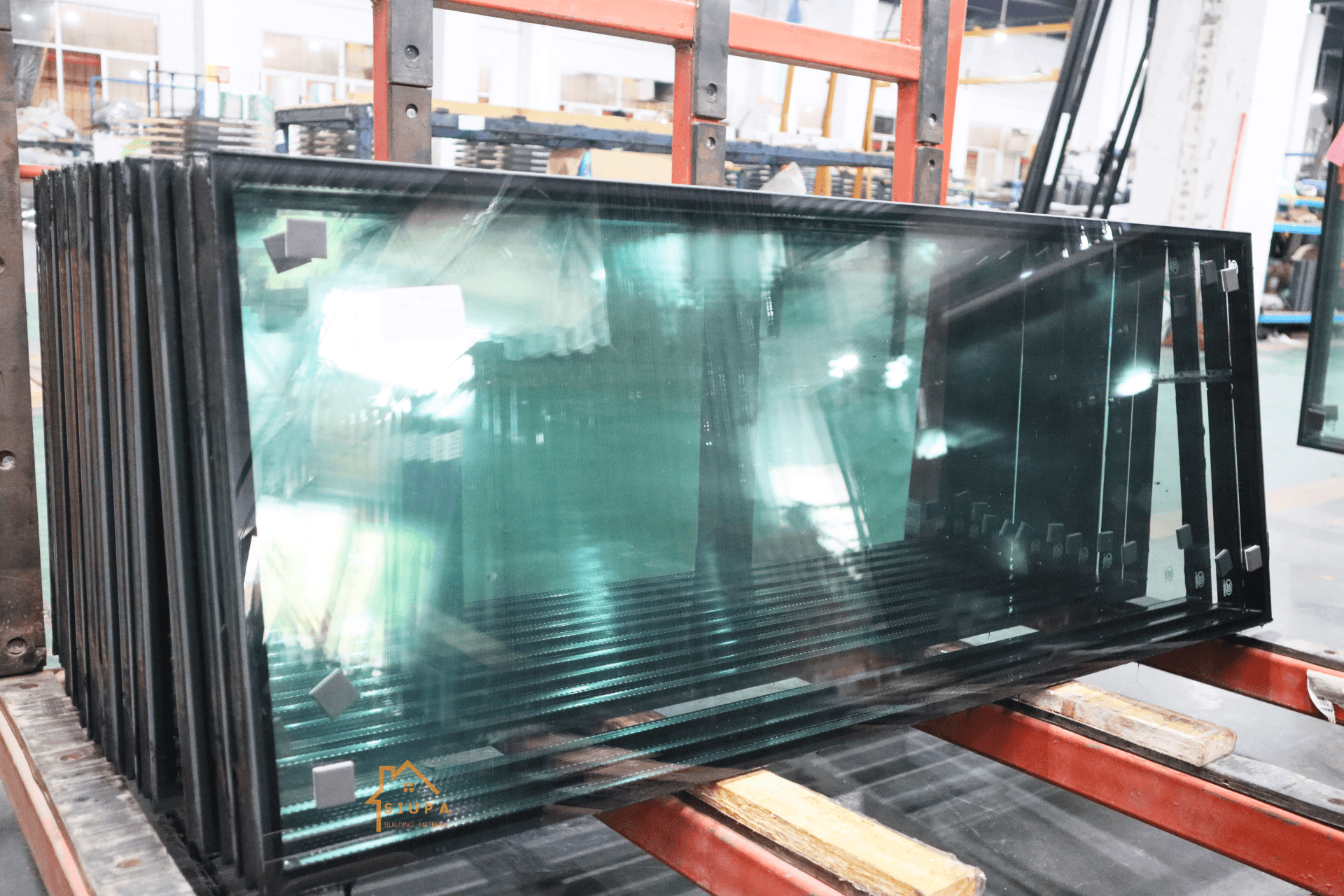
Huge fixed windows attract attention for their broad surface. This style brings more natural light and far better sights. But it also suggests these windows deal with more stress than little ones. Environmental pressures, safety and security risks– all are larger problems. Average thin glass can not take care of these demands.
Article Overview
why solidified glass and thicker glass are non-negotiable for huge fixed windows.

Here are the primary factors, broken down simply:
Security precedes with huge fixed windows. Their big size indicates more threat if they damage. Tempered glass and thicker glass each boost safety and security, simply in various ways.
Safety glass transforms how secure large windows are. Routine glass is delicate. When it breaks, it shatters into large, sharp fragments. These pieces can fly throughout a room or fall outdoors. They reduced deeply and trigger major injuries. Safety glass is various. It undergoes an unique warmth process. Workers heat it to extreme temperature levels, then cool it down quick. This transforms how the glass is structured at a molecular level. When tempered glass breaks, it does not split into hazardous fragments. Rather, it falls apart right into little, round-edged granules.
These little pieces have no sharp points. They hardly injured anyone– whether you’re inside the structure or walking by exterior. This matters a whole lot in hectic or risky areas. Picture a high-rise apartment’s floor-to-ceiling window, a midtown shop’s ground-floor display window, or a college’s usual location with large glass panels. In these areas, people are close to the glass daily. Tempered glass transforms a prospective calamity right into a small problem.
Thicker glass includes one more layer of safety and security. It’s a lot more resistant to breakage by nature. Thicker panes can take more force before ruining. Accidents take place– like a child’s ball hitting the window or little quake shakes. Thicker glass is less most likely to split in these scenarios. It reduces the opportunity of unexpected breakage and the risks that come with it.
Stamina and sturdiness matter for big fixed windows. They’re subjected to the aspects 24/7. Wind, rain, temperature swings– all test their durability. Toughened up and thicker glass offer the toughness required for long-term use.
Tempered glass is much more powerful than normal glass.
The toughening up process creates interior stresses. This makes it 3 to 5 times tougher. Large windows frequently face strong wind pressure, severe temperature changes, or perhaps snow loads. Tempered glass handles these forces well. It remains intact in time, preventing early cracks or damages.
Thicker glass brings extra robustness. It has higher strength, so it stands up to severe conditions. Coastal locations are an example. Salt-laden air and wind-blown sand can rust or scrape slim glass. Thicker glass resists these concerns. It likewise boosts thermal insulation. It minimizes heat transfer between inside and outside. This keeps interior temperatures extra steady, conserving energy. Plus, thicker glass manages expansion and contraction from temperature level modifications better. Thin glass often fractures under these stresses– thicker panes avoid that problem.
Structural honesty is vital for big fixed windows.
Their large surface needs support to remain in form. Solidified and thicker glass stop drooping, bending, and sealing troubles.
Safety glass functions as a load-bearing element when mounted appropriately. It disperses pressures equally throughout the window structure. Modern design often makes use of huge glass exteriors. These layouts rely upon self-supporting glass to stay clear of architectural failure. Tempered glass makes that feasible.
Thicker glass quits contortion. Slim glass can’t support its very own weight in large sizes. With time, it droops. Sagging breaks the window seal. This results in water leakages and more tension fractures. Thicker glass has high strength. It stays level, keeping the seal limited. This preserves power efficiency and expands the window’s life expectancy.
Structure safety and security codes also call for tempered and thicker glass for huge fixed windows. Many countries and areas have rigorous regulations. Glass larger than 1.5 square meters per pane needs safety glass. So does glass installed at reduced, easy-to-reach elevations. Tempered glass is the major selection for shatterproof glass. Using normal thin glass breaks these codes. It’s not just a security danger– it likewise fails construction evaluations. This brings about costly rework or legal difficulties.
Last Takeaway
Big fixed windows need solidified glass and thicker glass for clear reasons. Safety glass resolves the core security issue of breakage. Thicker glass ensures structural security, toughness, and sturdiness. Together, they deal with the distinct difficulties of huge surface– even more tension, ecological direct exposure, and safety threats. They also maintain setups certified with international building standards.
For large fixed windows, this mix functions flawlessly. It makes home windows solid enough not to damage conveniently. And if they do break, they’re risk-free sufficient to prevent harm.