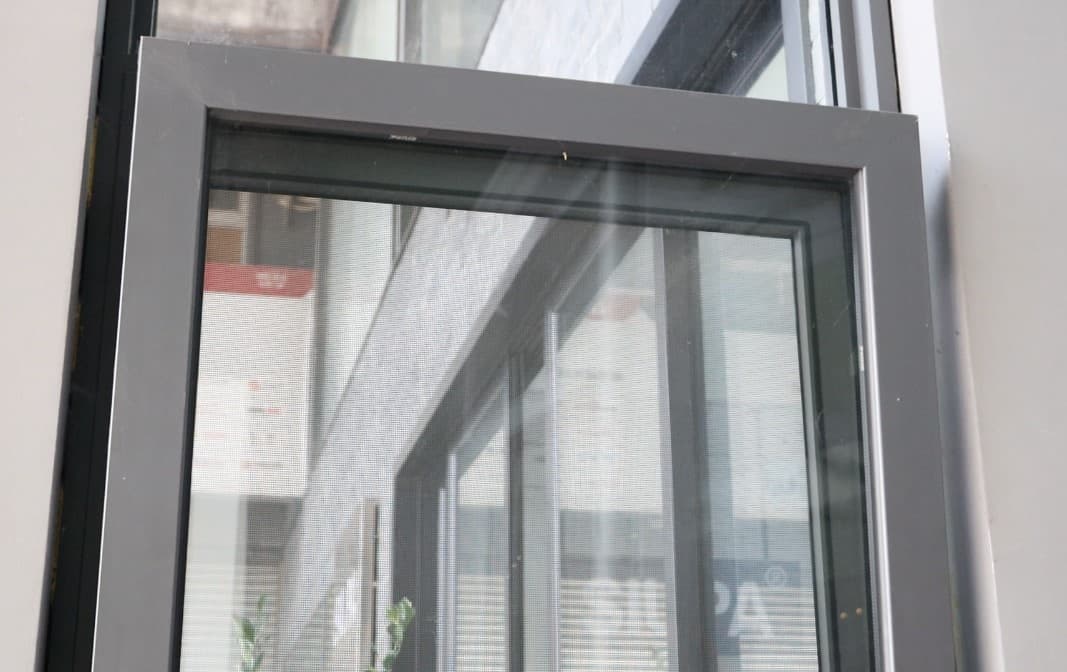
A weatherproof glass door is a special door made to connect your inside space with the outside. Think patio, balcony, or garden. But it also protects you from wind, rain, snow, very hot or cold weather, and things that fly around in storms. These are not like regular glass doors inside your house. They are built to meet strict rules for stopping air and water, keeping heat in or out, and staying strong. People use them as outside entry doors, patio doors, or sliding doors. They look good. They let in sunlight. And they handle whatever weather comes. This guide talks about the main parts, types, how to pick one, how to put it in right, and how to take care of it. It focuses on how the door works in different climates.

Article Overview
Main Parts of Weatherproof Glass Doors
New weatherproof glass doors use a few smart technologies to work well in all weather. Most good doors have two or three layers of glass. There is space between the layers filled with gas like argon or krypton. A special Low-E coating bounces heat back while letting light pass through. This setup gives a low U-factor. That means it helps cut your heating and cooling bills. Doors with certification meet national or world standards for keeping air and water out. They have high ratings to stop drafts and energy loss.
A multi-point lock system squeezes the seals around the door for better performance. Good rubber or silicone gaskets line the frame. Compression seals, brush strips, and fin seals all work together to block wetness, dust, and cold air. Even in strong wind. The threshold, that’s the bottom part, slopes outward. It has hidden drain holes to let out any water that gets inside. This stops puddles, rust, and seal damage over time. The frame material must not bend, rust, or let heat pass easy. Common picks are aluminum with a thermal break, fiberglass, uPVC, and treated hardwood. In places with typhoons, doors must take hits from flying stuff. Building codes say so. They must use laminated or tempered safety glass.
Types of Weatherproof Glass Doors
Three main types fit different building styles and needs.
Sliding glass doors are great for patios and tight spaces. They slide sideways on a track. New high-end ones have multi-point lock, good seals between the panels, and strong rollers for smooth slide. Some top sliding doors are quite watertight. You can use them in places with medium to high weather exposure.
Hinged glass doors swing in or out like a normal door. Because the locks press the seals, they seal better than sliding doors. They open all the way for max air flow. They have higher air and water tightness ratings. But they need enough space to swing open.
Lift-and-slide doors and folding door systems are for high-end projects. Lift-and-slide doors lift a bit when you open them. Then they seal tight when closed. You get a big opening with high performance. Folding doors fold all the way to one side. You get a wide open view. But you need careful engineering to keep all the joints weatherproof.
How to Pick a Door Based on Your Weather
Your local weather decides what door features matter most.
Cold regions: Focus on stopping heat loss. Think about snow load. Stop condensation. Look for triple glass. Low U-factor. Frames with a thermal break. Warm-edge spacers between glass panes.
Hot, wet areas: Main worries are blocking sun heat and stopping rust. You need high water tightness. Low-E glass with low solar heat gain coefficient. Frame that fights rust, like powder-coated aluminum or fiberglass.
Coastal places with typhoons: Door must take high wind pressure. Must resist salt spray. Must stop flying debris. Pick impact-resistant laminated glass. Reinforced frame. Stainless steel hardware. High wind load rating.
High, dry places: Strong UV rays are a problem. Big temperature swings between day and night. Focus on UV-blocking laminates. Strong sealants. Stable frame materials.
Always check your local building rules. Look for independent test reports on air tightness, water tightness, and structural strength.

Installation: The Main Thing for Success
Even the best door fails if you put it in wrong. Good installation starts with a precise opening. It must be level. Plumb. Square. Put continuous pan flashing under the threshold. Seal all joints around the frame with backer rod and high-performance sealant. Use rust-proof fasteners to hold the frame tight. Space them like the rules say. At the end, adjust the door so the gap around it is even. This gives the best seal. It’s smart to have a certified pro do the install. Especially for big or impact-resistant doors.
Care for Long Life
Want your door to last 15 to 25 years? Set up a regular care routine.
Every month: Clean out dirt from tracks and drain holes.
Every six months: Clean glass and frame with mild cleaner. Don’t use harsh, scratchy stuff.
Every year: Check seals for cracks, hardness, or flat spots. Replace worn ones.
When needed: Lube hinges, locks, and rollers with silicone spray. Never use oil. Oil attracts dust.
Every 3 to 5 years: Think about a pro inspection. Check door structure and how well seals stick.
Good Things and Things to Think About
Putting in a weatherproof glass door has many good sides.
Saves energy. Less need for heating and cooling.
Brings in more natural light.
Gives a visual link to the outside.
Safety glass makes home more secure.
Modern designs can make your home look better.
But there are also some things to think about.
First cost is higher than standard doors.
Needs pro install and careful quality check.
In rooms with low air flow and high wetness, condensation can form on the glass sometimes.
If the door frame has no thermal break, it can pass heat. Less efficient.
End
Weatherproof glass doors are more than just nice-looking things. They are a key part of a building’s outer shell. They balance letting in light with standing up to weather. Pick the right type for your local weather. Check it meets national or industry rules. Make sure pros put it in. Keep up with regular care. Then homeowners and builders can enjoy comfort, safety, and energy savings for many years. No matter the weather outside.