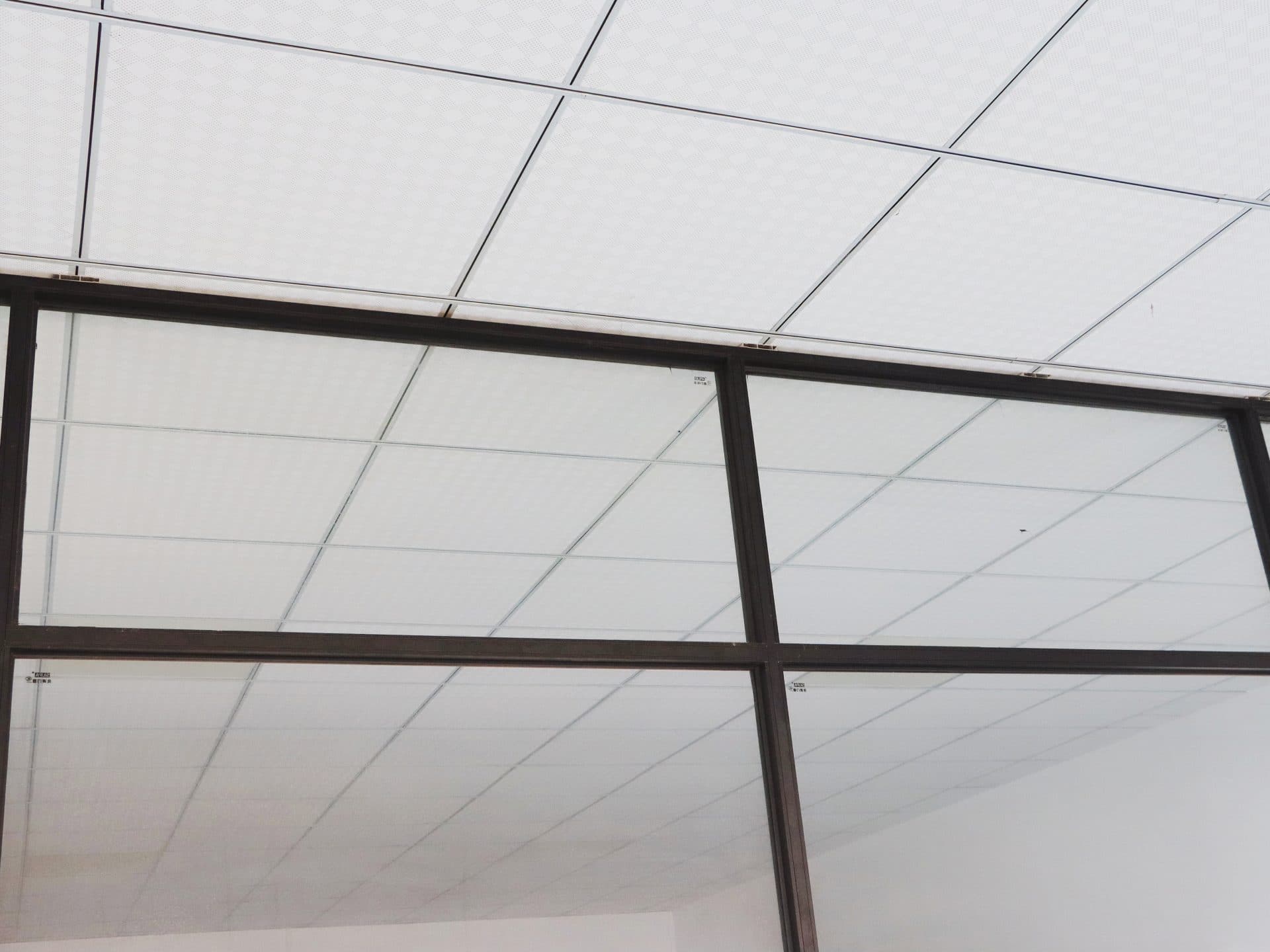
Let’s talk about fixed windows. They’re sleek, non-opening glass panes. They’re getting more popular in modern homes. You might call them picture windows or stationary windows. Either name works. Their main job is simple. Flood your space with natural light. Showcase stunning outdoor views. No extra hardware. No hassle of traditional windows.

Article Overview
What Exactly Is a Fixed Window?
Put simply, a fixed window does what its name says. It doesn’t open. It’s permanently sealed shut once installed. No cranks. No latches. No sliding tracks. Just glass set in a sturdy frame. It creates an unobstructed barrier between your indoor space and the outdoors.
This simplicity makes fixed windows better than operable windows.
Fixed windows have no moving parts. They form an ultra-tight seal with your walls. That’s why they’re often placed where ventilation isn’t a top priority. Think above kitchen sinks, in tall stairwells or as the showstopping centerpiece of a living room wall. Pro tip: Architects love pairing fixed windows with nearby operable windows. You get breathtaking views and fresh air when you want it.
The Main Types You’ll Encounter
Picture windows are the first type people think of. They’re classic, large and rectangular. They have minimal framing. They’re designed to frame your backyard, skyline or garden like a beautiful picture. They’re the top pick for living rooms and master bedrooms. Maximizing the connection to the outdoors is key here.
Architectural fixed windows bring creativity to window design. We’re talking circles, triangles, arches and any custom shape you can imagine. Top manufacturers like Marvin and Pella follow this trend. They offer custom geometric fixed window units. These units meet strict structural and thermal standards. They must pass ASTM E1300 glass load resistance tests.
Combination units are the most practical pick for most homeowners. You’ll usually see a large fixed panel in the center. Casement windows flank it on both sides. Those casement windows open for fresh air. Or you might see a fixed transom window above double-hung windows. It’s the best of both worlds. You get unobstructed views where you want them. You get ventilation where you need it.
Where Fixed Windows Really Shine
Fixed windows excel at this. They don’t open. Air leakage is almost non-existent. ENERGY STAR says fixed windows have the lowest U-factors on the market. It can drop to 0.20 with triple glazing and Low-E coatings. U-factor measures heat loss. Lower numbers are always better.
You can optimize SHGC (Solar Heat Gain Coefficient) with specialized glass coatings. Go for a low SHGC in hot climates. It keeps cooling costs down. Choose a higher SHGC in cold climates. It captures free solar heat in winter.
Key Differences Between Fixed and Casement Windows
Fixed windows and casement windows are two common types of windows. They are different mainly in how they work and what they look like.Fixed windows cannot be opened. They are fully sealed. They give you a clear and unobstructed view outside. They are also good at saving energy and need little maintenance. So they are a great choice for places where you don’t need fresh air to come in.
Casement windows are different. They are hinged on one side and open outward.You open them with a crank. They let in plenty of fresh air. And they’re easy to clean from inside your home. When closed, they seal very tightly. But they have some downsides. They need more space to open. And they are not very suitable for areas with strong winds or blocked outdoor spaces.

Common Questions Homeowners Ask
Q: Are fixed windows actually cheaper?
A: Generally yes. You’ll save 10–30% on materials vs. same-size operable windows. Why? No hardware or complex seals. But custom shapes can erase those savings fast.
Q: Can I install one myself?
A: Maybe. You need experience. It works for small replacements in existing openings. Go professional for new builds or large units. Improper installation can void warranties. It can also cause costly water damage later.
Q: How do you clean them?
A: Inside cleaning is easy. Just use glass cleaner and a cloth. Use a squeegee on an extension pole for hard-to-reach exterior surfaces. Some combination units have tilt-in features. They make cleaning easier. Professional cleaning is a smart investment for very tall windows.
Q: Can I convert my old double-hung to a fixed window?
A: Absolutely. Remove the sash. Install a fixed insulated glass unit in the existing frame. Just make sure you don’t violate egress rules. This is especially important for bedrooms.
Fixed windows deliver something special. They bring crystal-clear views, top-tier energy efficiency and a clean, modern look. The style fits almost any home. They’re perfect for creating “wow” moments in your design. Remember one thing. Pair them with operable windows for ventilation. Always check local building codes for egress requirements.
My advice: Talk to a few certified window suppliers. Compare energy ratings carefully. Don’t cut corners on installation. Fixed windows can transform a room when done right. They can also save you money on energy bills for decades.