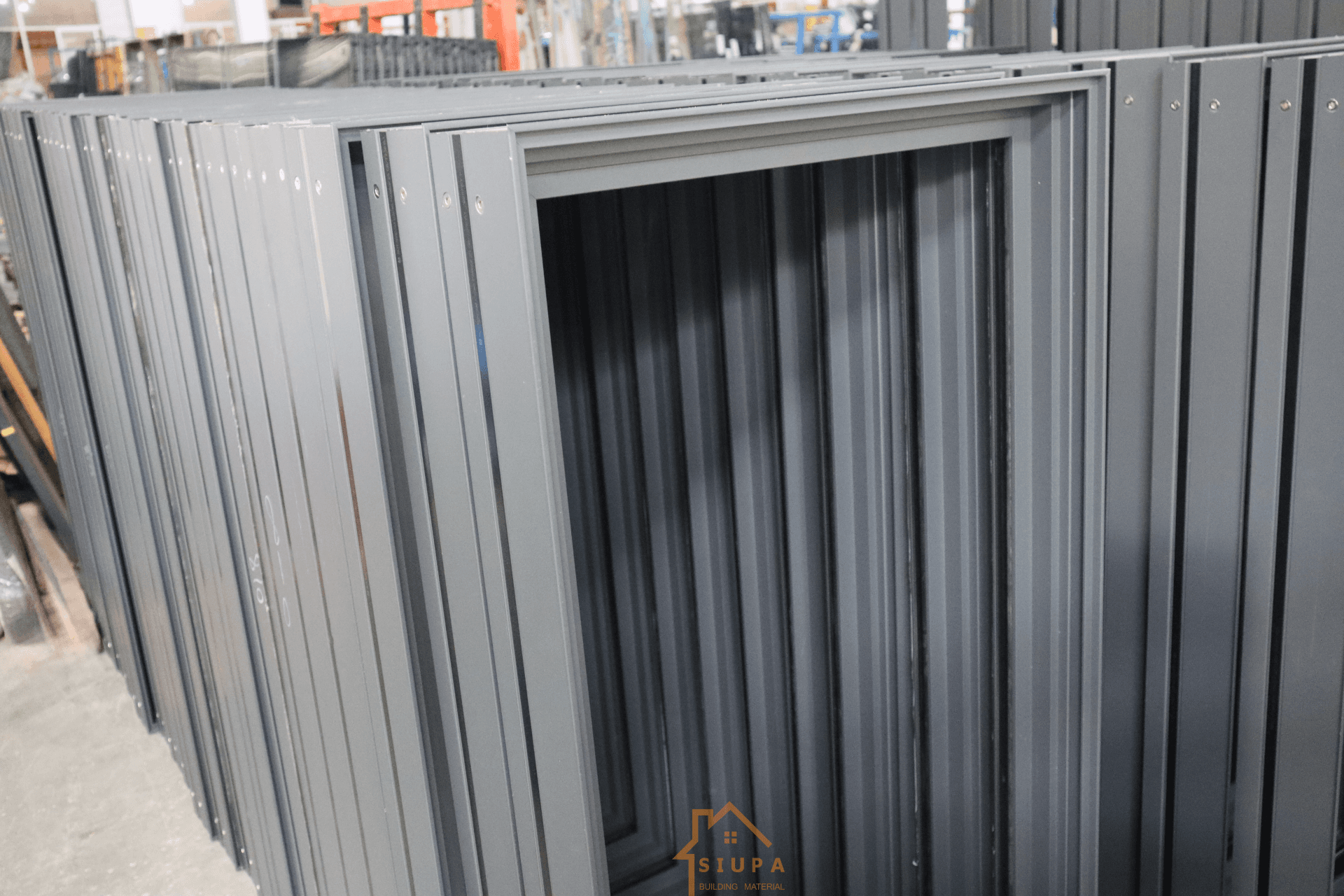
Description: Learn to select the best aluminum profiles for fixed windows, residential and commercial alike. Master thermal break tech, structural strength, system types and core selection rules for energy efficiency and long-lasting fixed window performance.

Fixed windows don’t open. But picking the right aluminum profiles for fixed windows is vital. These profiles are the main structure of fixed windows. They hold up the glass. They stand against wind and bad weather. They stop heat from escaping. They keep working well for decades. Pick the wrong profile, and you’ll get leaks, drafts, poor energy efficiency. You might even face structural failure of the fixed window. This guide covers all key points to choose the right aluminum profiles for fixed windows. It’s suitable for both residential homes and commercial projects.
Article Overview
Core Components of a Fixed Window Aluminum System
Fixed windows use a modular aluminum extrusion system. It has interlocking parts made for specific jobs. No opening hardware like hinges is needed. The main parts are easy to identify. First, the rigid frame profile. It attaches to the building’s walls. Second, the glazing bead profile. It holds the glass tight and makes an airtight, watertight seal. Third, structural reinforcement. It’s steel or aluminum bars, used mostly for large fixed windows to support heavy loads. Fourth, gaskets and sealants. They pair with profiles to make fixed windows more weatherproof and better at insulation. All these parts work together. They make sure the fixed window is stable and performs well.
Critical Selection Factors for Fixed Window Aluminum Profiles
Thermal Performance (Thermal Break Technology)
Bare aluminum conducts heat fast. It creates thermal bridges in fixed windows. These bridges waste energy. Thermal break aluminum profiles for fixed windows solve this problem. They have a plastic barrier between the inside and outside metal of the profile. This barrier cuts heat transfer by up to 70%. The most common type in the industry is polyamide strip (PA66 GF25) thermal breaks. They’re locked in mechanically. They’re durable. They meet all modern energy codes for fixed windows. Polyurethane pour and debridge is another type. It’s less common and less durable. Thermal break profiles are a must for most climates. They help fixed windows meet energy efficiency requirements. They also stop condensation from forming.
Structural Strength & Load Resistance
Aluminum profiles for fixed windows must support the glass weight. They also need to stand against local wind loads. This is extra important for high-rises, coastal areas and large fixed windows. Two key specs matter most. First, wall thickness. Residential fixed window projects use 1.4–1.8mm thickness. Commercial fixed window builds use 1.8–3.0mm or thicker. Second, profile design. It needs built-in stiffness for better load resistance. Internal steel reinforcements are a must for large fixed windows (glass area ≥3㎡) or high-wind zones. Always check the load ratings from the profile manufacturer. Cross them with wind loads calculated by engineers. This step is non-negotiable, especially for commercial fixed glazing projects.
Glazing Compatibility & Weatherproofing
Glazing rebate depth is key for fixed window aluminum profiles. It’s how deep the glass sits inside the frame. This depth must match the glass thickness. Modern double or triple-pane glass is thick. It needs enough rebate depth. This ensures the glass is installed securely. It also makes a proper seal. Skip this, and you’ll get loose glass or leaks. It’s one of the top installation mistakes for fixed windows. A high-quality aluminum profile system for fixed windows has a built-in equalization pressure chamber. It’s for drainage. Water that seeps past the first seal drains outside through this chamber. It also blocks wind and air from getting in. It stops mold and structural damage from water buildup. This design is a must for all climates. It’s even more important for rainy and coastal areas with fixed windows.
Aesthetic Design (Sightline & Finishes)
Aluminum profiles for fixed windows balance performance and good looks. There are two main sightline options to choose from. Slimline or narrow sightline profiles. They have a minimal frame. They let in more glass area. They give a modern, sleek look to fixed windows. Traditional wider sightline profiles. They have a bigger frame. They fit classic building styles. The finishes for fixed window profiles are durable and low-maintenance. Powder coating is one option. It comes in any custom color. Anodizing is another. It gives a metallic look. Woodgrain effects are also available. They mimic real wood, no rotting at all. For unique fixed window projects, you can get custom aluminum extrusions. They’re made for fixed architectural windows, matching your specific design needs.
Popular Aluminum Systems for Fixed Windows: Stick vs Unitized
Stick System
The stick system is a common choice for aluminum profiles for fixed windows. You cut individual frame profiles on-site. Then you assemble them together. This system is very flexible. It’s perfect for fixed windows with custom shapes, like arches or angles. It’s ideal for residential homes and small commercial projects, such as offices with fixed windows. It’s cost-effective. It’s easy to adjust the profiles for on-site measurements. But it needs skilled workers for precise assembly. This is the most used system for residential fixed window installations.
Unitized System
The unitized system builds entire fixed window units in the factory. The units are pre-sealed, pre-glazed and pre-tested. Then they’re shipped to the construction site. Installation is fast and simple. This system has superior quality control. It’s engineered to stand against extreme wind loads. It’s perfect for large commercial projects with fixed windows, like skyscrapers and malls.
It’s also a good choice for high-rise building fixed windows. The downside is the higher cost. It’s also less flexible for last-minute design changes of fixed windows. So it’s almost only used for commercial fixed glazing projects.
Key Differences: Residential vs Commercial Fixed Window Profiles
Residential aluminum profiles for fixed windows focus on three things: aesthetics, cost and easy installation. They use 1.4–1.8mm wall thickness. They match simple stick systems. They meet basic local thermal and wind load codes for fixed windows. Customization options are basic, only standard sightlines and finishes.
Commercial aluminum profiles for fixed windows prioritize structural performance, durability and large-scale fabrication. They have 1.8–3.0mm or thicker wall thickness. They pair with complex stick or unitized systems. They exceed energy codes, offering ultra-high thermal performance for fixed windows. They’re engineered for custom high wind loads. Commercial profiles also have full customization. You can get custom extrusions and specialty finishes for unique fixed architectural window designs.
Step-by-Step Guide to Choosing the Right Fixed Window Profiles
Define project goals. List your needs for fixed window insulation, sound reduction and weather resistance. Cross-check all needs with local building codes to ensure compliance.
Measure exact sizes. Calculate the glass opening area of the fixed window. Larger areas need thicker aluminum profiles and extra structural reinforcement.
Select thermal break tech. Choose polyamide strip thermal break profiles for 99% of fixed window projects. They’re energy-efficient and cost-effective.
Match glazing and profile. Confirm the glazing rebate depth of the aluminum profile fits your double or triple-pane glass thickness for the fixed window.
Choose aesthetic style. Pick a slimline or traditional sightline for the fixed window. Select a durable finish like powder coating or anodizing that matches your building’s design.
Consult professionals. Work with a reputable fixed window supplier or aluminum system manufacturer (Schüco, Reynaers, Technal). Ask for technical guidance and engineering support for your fixed window project.
Verify manufacturer specs. Check the load ratings, thermal performance data and drainage design of the profiles in the official manufacturer catalog for fixed windows.
Common Mistakes to Avoid When Choosing Fixed Window Profiles
Ignore local building codes. Non-compliance leads to rework and fines. It also causes poor fixed window performance in the long run.
Choose thin profiles to save money. Undersized aluminum profiles for fixed windows bow, leak or fail under load. Cheaper upfront costs mean more expensive long-term repairs.
Focus on a single component. Profiles, gaskets, glass and installation work as a whole for fixed windows. A high-quality profile with cheap gaskets still causes leaks in fixed windows.
Skip structural reinforcement. Large fixed windows (glass area ≥3㎡) or those in high-wind zones need internal steel bars. Omit them, and the frame bends. The glass may even break.
Overlook drainage design. Aluminum profiles without built-in drainage cause water damage and mold in fixed windows. Always check drainage specs before selecting profiles for fixed windows.
Frequently Asked Questions About Fixed Window Aluminum Profiles
Q: Can I use any aluminum profile for a fixed window?
A: No. You can only use engineered structural aluminum profiles for fixed windows. They’re part of a modular fixed window system. Standard DIY aluminum profiles lack drainage, sealing and load-bearing features. They fail fast. They don’t meet building codes for fixed windows.
Q: Is a thermal break always necessary for fixed windows?
A: Yes, for 95% of climates. These are areas where people use heating or cooling systems. Thermal break profiles for fixed windows lower energy bills. They prevent condensation. They meet local energy codes. They’re only optional in extremely mild climates with no insulation requirements for fixed windows.
Q: How do I know if a profile is strong enough for my fixed window?
A: First, check the manufacturer’s structural performance data. It includes deflection under load for the fixed window profile. For large fixed windows (glass area ≥3㎡) or those in high-wind zones, ask a structural engineer for help. The engineer calculates the required strength based on your project’s exact wind loads and glass dimensions. Never guess the load capacity for fixed windows.
Q: What’s the best finish for outdoor fixed window aluminum profiles?
A: Powder coating and anodizing are the top choices. Powder coating comes in custom colors. Anodizing gives a metallic finish. Both are weather-resistant, fade-proof and low-maintenance for outdoor fixed window profiles. Woodgrain finishes are also great for residential outdoor fixed windows. They mimic real wood, with no risk of rotting.
Conclusion
The right aluminum profiles are the hidden foundation of high-performance fixed windows. They ensure fixed windows are strong, energy-efficient and weatherproof. They also guarantee long service life for your building’s fixed windows. Cut corners on profile quality, and you’ll get high energy bills, costly repairs and poor living/working comfort.
For residential fixed window projects, prioritize thermal break profiles, slimline design and cost-effective stick systems. For commercial fixed window builds, choose engineer-grade profiles, unitized or complex stick systems and ultra-high thermal performance profiles. Start by reviewing technical catalogs from top aluminum profile manufacturers for fixed windows. Consult a professional fixed window supplier or facade engineer for custom project specs. This way, you’ll select the perfect aluminum profiles for your fixed windows every time.