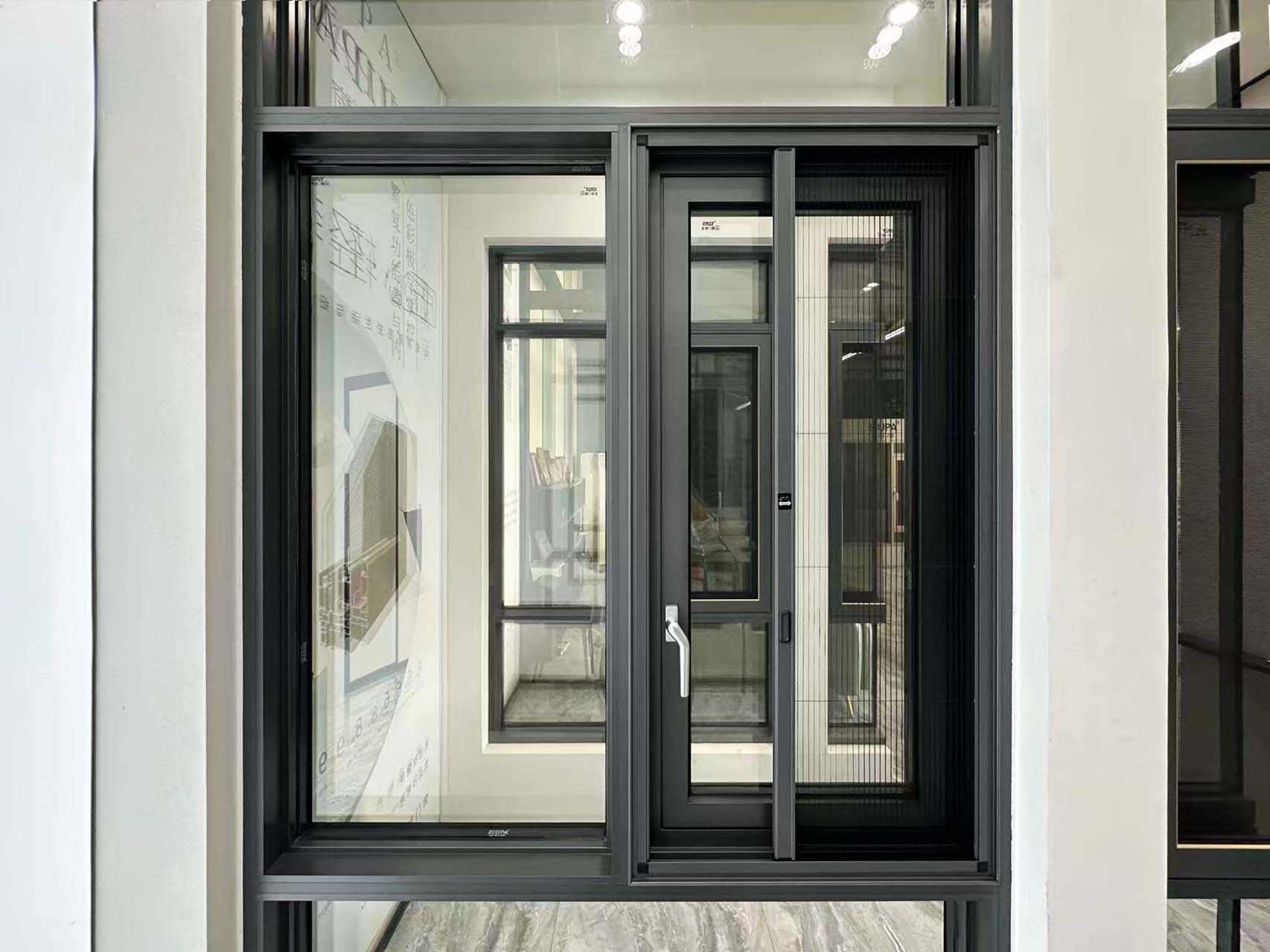
Picking the appropriate aluminum windows and doors in the Philippines is a vital financial investment. It protects your property’s safety, day-to-day comfort and long-lasting power savings. The country has year-round tropical heat, high humidity, hefty gales and regular tropical cyclones. All these need fenestration solutions that are solid, sturdy, corrosion-resistant and thermally effective.

Aluminum has a suitable strength-to-weight ratio, reduced maintenance needs and flexible layout choices. Local aluminum window manufacturing expanded 8% every year from 2020 to 2023. The Philippines’ building systems parts market will certainly hit $1.74 billion in 2025. It will broaden at a 6.56% CAGR to $2.55 billion by 2031. The National Structural Code of the Philippines sets stringent rules. Climate-adaptive functions are a needs to for any selection.
Article Overview
Secret Must-Haves for Philippine Environment Problems
Tropical storm resistance is the top priority. Select frameworks with a density of at least 1.8 mm. Coastal locations require a Design Pressure score of ≥ 2400 Pa. Make certain the products have PS 155 or ASTM E1886 qualification. Thermal performance is additionally crucial. Thermal break frames with Low-E glass cut home electrical energy use by 18-22%. A 100m ² home in Manila can conserve around 8,000 annually on cooling expenses.
Coastal areas encounter salt spray damage. Corrosion defense is vital here. Pick anodized or powder-coated frameworks. Match them with stainless steel hardware. This protects against early degradation of the windows and doors.
Popular Aluminum Window & Door Types
Sliding designs conserve area. They are the most effective option for condos and small apartments. Casement windows have excellent weather sealing and ventilation. They fit flawlessly in bedrooms and living spaces.
Fixed windows let in maximum natural light. They have high energy effectiveness. They are suitable for commercial structures or spaces that don’t need much air flow. Folding or sliding door systems function well for balconies, outdoor patios and open-plan living areas. They are widely utilized in city centers like BGC and Makati.
2025 Prices & Core Cost Drivers
Economy choices are basic sliding designs with single clear glass. They range from 3,000 to 6,000 per m TWO. Mid-range options are thermal break systems with dual glazing or Low-E glass. Brands like Alumil or updated Citiwinds use these, valued from 6,000 to 12,000 per m ²
Premium remedies include impact-resistant, acoustic or smart systems. Costs start at 12,000 per m TWO. Numerous factors drive the price up. Typhoon-grade frameworks (≥ 2.0 mm) include 30-50% to the cost. Double-glazed Low-E glass prices much more than solitary clear glass. Premium equipment is costlier than standard alternatives. Professional installation includes 15-25% to the complete expense. Experienced labor is hard to discover outside City Manila.
Essential Caution: Stay clear of low-grade aluminum below the 6063-T5 alloy quality. This product bends easily. It additionally rusts fast, especially in seaside locations.
Practical Buying & Installation Tips
Always ask distributors for main examination reports. Inspect records for wind lots resistance, water penetration and thermal efficiency. Employ factory-trained or qualified installers.
Get all task information in composing. Consist of frame series, glass type, equipment brand, shade code, distribution timeline and overall mounted price. Inspect the service warranty insurance coverage meticulously. Aim for a minimum of 5 years for frameworks and 2 years for equipment. Top brands provide a 10-year structural service warranty.
Prioritize the total lifecycle expense. Cheaper, low-grade alternatives typically cause higher power expenses and repair work expenditures gradually.
Frequently Asked Questions
Q: Aluminum vs. uPVC– which is much better for the Philippines?
A: uPVC has great insulation. However it softens above 60 ° C, a common temperature on sun-exposed building facades. Aluminum is more powerful. It’s more durable in UV light and high humidity. It’s likewise the much better selection for big periods and typhoon-prone zones. For the best of both materials, select aluminum-clad uPVC, provided by brands like Alumil.
Q: Exactly how do I verify tropical storm resistance?
A: Ask the provider for the item’s Layout Pressure (DP) score and impact test record. DP ≥ 2400 Pa is advised for many Philippine regions, especially seaside areas.
Q: What’s the lead time for personalized windows?
A: Local brand names have a 3– 6 week lead time. Imported systems from brand names take 8– 12 weeks.
The Future: Smart & Sustainable Fenestration
The Philippine aluminum window market is approaching smarter, greener options. Smart windows with IoT sensing units are already being tested. These sensing units activate auto-close throughout tropical cyclone alerts, and the innovation is piloted in Taguig clever homes.
Recycled aluminum is obtaining traction. Acoustic glazing is coming to be extra prominent in Manila. It can block web traffic noise by as much as 40 dB, boosting indoor comfort. Clear solar glazing is a speculative technology.
Verdict
Investing in top quality aluminum windows and doors suggests purchasing your residential or commercial property’s durability, convenience and long-lasting value. In the Philippines, 3 elements are non-negotiable: tropical storm resistance, thermal break modern technology and expert installation.
No matter your selection, make certain it aligns with your local environment area, budget and long-lasting residential property goals. The ideal aluminum window won’t just mount your view. It will protect your home, reduced your month-to-month costs and stand solid through years of the Philippines’ challenging weather.