Meta Description: Discover modern aluminium sliding window glass designs. Compare styles, energy efficiency, glass types (double glazing, laminated), and costs.

Aluminium sliding windows are a hallmark of contemporary architecture, prized for their sleek lines, exceptional durability, and expansive views. However, the true performance and aesthetic of these windows are defined not by the frame alone, but by a critical element: the glass design. The right glass choice transforms your window from a simple opening into a system that manages energy, sound, safety, and style.
Article Overview
Why Glass Choice Matters in Aluminium Sliding Windows
Glass is far more than a transparent barrier. In an aluminium sliding window, it is the primary component controlling thermal performance, acoustic insulation, solar heat gain, UV protection, security, and overall visual appeal. Aluminium is a highly conductive material; without high-performance glass, the entire window assembly becomes a significant source of heat loss in winter and heat gain in summer. Selecting the appropriate glass type is therefore essential to unlock the full potential of your aluminium window system and meet modern building energy standards.
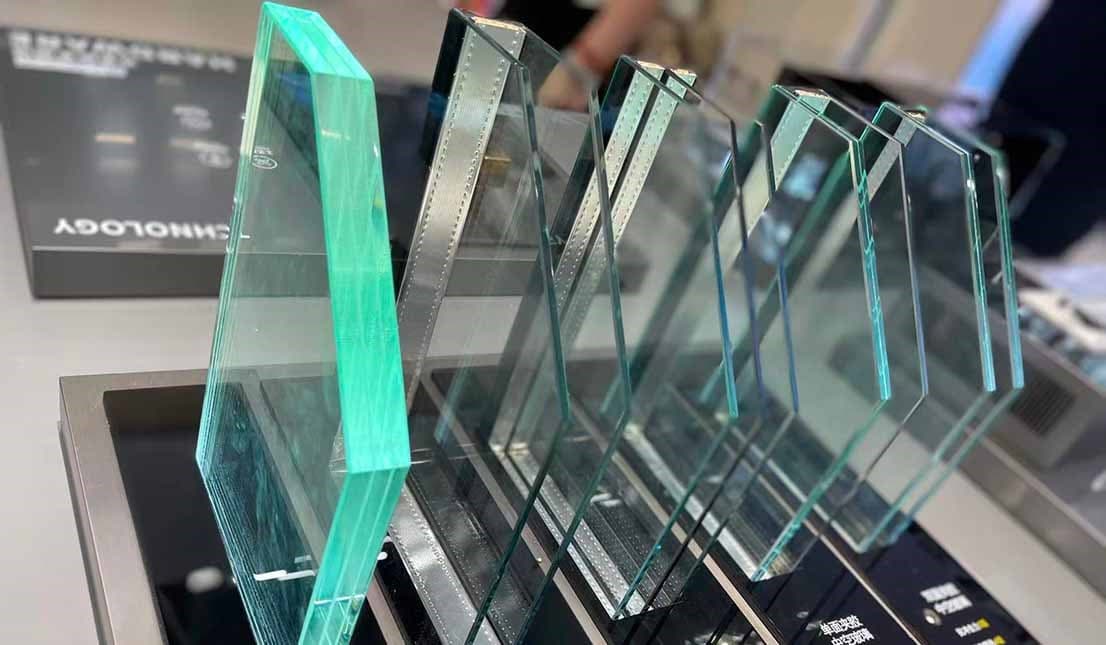
Types of Glass for Aluminium Sliding Windows
Choosing the right glass type is the foundation of a high-performing window. Here are the most common and effective options:
Float Glass (Standard Glass)
This is basic annealed glass. It is the most affordable option but offers minimal thermal or acoustic insulation and no safety benefits. Due to its poor performance, it is rarely used in modern exterior sliding windows and is often prohibited by building codes for habitable rooms.
Toughened (Tempered) Safety Glass
Created by heating standard glass to over 600°C and then rapidly cooling it, tempered glass is 4-5 times stronger than float glass. Its key safety feature is that upon breakage, it shatters into small, relatively harmless granular pieces, significantly reducing the risk of injury. It is a common requirement for windows in bathrooms, at low levels, or in public buildings.
Laminated Glass
It consists of two or more layers of glass bonded together with a tough polyvinyl butyral (PVB) or SentryGlas (SGP) interlayer. If the glass is impacted and breaks, the fragments remain adhered to the interlayer, preventing the pane from falling out of the frame. This makes it ideal for security, overhead applications, and areas requiring fall protection. It also provides excellent sound reduction and blocks up to 99% of harmful UV rays.
Insulated Glass Units (Double Glazing or Triple Glazing)
An Insulated Glass Unit (IGU) is a sealed assembly of two or three glass panes separated by a spacer bar filled with desiccant, creating one or two hermetically sealed air or gas cavities. These cavities are often filled with an inert gas like argon to further enhance insulation.

Double Glazing: The standard for energy-efficient windows, typically configured as 4mm glass + 12mm argon gap + 4mm glass.
Triple Glazing: Offers superior thermal performance for extreme climates, configured as 4+12+4+12+4mm.
Low-E Coating: A microscopically thin, virtually invisible metallic coating applied to one of the internal glass surfaces. It reflects long-wave infrared heat back into the room during winter and reflects solar heat away during summer, dramatically improving the U-value without compromising visible light.
Tinted and Reflective Glass
Tinted glass has colorants added during manufacturing to absorb solar radiation, reducing glare and heat gain. Reflective glass features a metallic coating that creates a mirror-like effect, providing daytime privacy and further reducing solar heat. Both are useful for specific orientations, like west-facing facades, but can reduce natural light levels inside the home.

Aluminium Sliding Window Glass Design Ideas and Styles
Beyond performance, glass design is a powerful architectural tool.
Floor-to-Ceiling Glass Panels
This design creates a seamless connection between interior and exterior spaces, maximizing natural light and offering unobstructed panoramic views. It’s a popular choice for modern homes, apartments with scenic outlooks, and commercial spaces.
Slimline Frames with Maximized Glass
The trend is towards minimalism. Ultra-slim aluminium profiles allow for a higher glass-to-frame ratio, often exceeding 85%. This creates a clean, almost frameless appearance that puts the focus entirely on the view and floods the room with light.
Gridded or Divided Lite Designs
For a touch of classic or traditional character, gridded designs use muntins (grids) to create the appearance of multiple smaller panes. Modern versions often place these grids between the glass layers of an IGU, offering the aesthetic benefit without the maintenance or performance drawbacks of true divided lites.
Combination Windows (Fixed + Sliding Panels)
This versatile configuration pairs large, fixed glass panels for maximum view and light with one or more functional sliding sashes for ventilation. Common setups include 2-panel (1 fixed, 1 sliding) or 3-panel (1 fixed center, 2 sliding sides) systems, offering an ideal balance of form and function.
Corner Sliding Windows
By using specialized hardware to eliminate the vertical corner post, corner sliding windows provide a continuous, uninterrupted 90-degree view. This is a premium design solution for properties on corner lots or those seeking a truly immersive connection with their surroundings.
Key Factors to Consider When Choosing Your Glass
Climate and Energy Efficiency,Your local climate is the primary driver for glass selection. Focus on two key metrics:
U-value: Measures the rate of heat transfer. A lower U-value indicates better insulation (e.g., triple glazing has a U-value of ~1.5 W/m²K vs. single glazing at ~5.8 W/m²K).
Solar Heat Gain Coefficient (SHGC): Measures how much solar radiation passes through the glass. A lower SHGC is better for hot climates to keep interiors cool, while a higher SHGC can be beneficial in cold climates to capture passive solar heat.
Noise Reduction Requirements
If your home is near a busy road, airport, or urban center, acoustic performance is crucial. Laminated glass and double-glazed units with panes of unequal thickness (e.g., 6mm + 8mm) are highly effective at disrupting and dampening sound waves, offering significant noise reduction over standard single-pane glass.
Safety and Security
Consider the location of the window. Ground-floor windows, large expanses of glass, or homes with children benefit greatly from the use of either tempered or laminated safety glass. For enhanced security against forced entry, laminated glass is the superior choice.
Maintenance and Durability
While glass itself is durable, its coatings and the window’s seals require attention. Easy-clean or self-cleaning coatings can reduce maintenance. Ensure the window system has a robust drainage design and high-quality, weather-resistant seals (like EPDM rubber) to prevent water ingress and ensure long-term performance.

Aluminium Sliding Window Cost Considerations
The initial investment in high-performance glass is significant but offers long-term value.
Glass Type Impact: Upgrading from single glazing to double glazing with Low-E and argon can increase the window cost by 60-80%, but it pays for itself through reduced energy bills and increased comfort.
Aluminium vs. uPVC: While uPVC windows often have a lower upfront cost, aluminium offers superior strength, allowing for larger, slimmer designs, a longer lifespan (30-50 years), and a more premium aesthetic. Over the lifetime of the product, aluminium can be the more cost-effective choice.
Professional Installation and Maintenance Tips
Even the highest-quality window will underperform if installed incorrectly.
Installation: Professional installation is non-negotiable. It ensures the frame is perfectly level and plumb, is properly anchored to the structure, and is sealed correctly to prevent air and water leaks. Properly set drainage paths are also critical.
Maintenance: Regular cleaning with a soft cloth and mild detergent is sufficient for the glass. Annually, clean the tracks of debris and lubricate the rollers and locking mechanisms to ensure smooth, quiet operation. Periodically inspect the perimeter sealant and replace it if it shows signs of cracking or deterioration.
Frequently Asked Questions (FAQ)
Q: What is the best glass for energy efficiency in aluminium sliding windows?
A: The best choice for most climates is a double-glazed unit with a Low-E coating and argon gas fill. This combination offers an excellent balance of high thermal performance (low U-value), good solar control (adjustable SHGC), and cost-effectiveness. In very cold regions, triple glazing may be warranted.
Q: Are aluminium sliding windows with double glazing worth the investment?
A: Absolutely. The upgrade from single to double glazing dramatically improves thermal comfort, reduces condensation, lowers heating and cooling costs by 20-30%, and enhances acoustic insulation. The return on investment through energy savings is typically realized within 5-10 years.
Q: How do I maintain the glass and frames?
A: Clean the glass regularly with a soft cloth or sponge and a mild, non-abrasive cleaner. Avoid harsh chemicals that can damage coatings. Clean the bottom track of the slider frequently to remove dirt and grit. Lubricate the rollers and moving parts once a year with a silicone-based lubricant. Inspect the weather seals annually for any signs of wear or damage.
Q: Can I install aluminium sliding windows myself?
A: It is strongly recommended to hire a professional installer. Correct installation requires precise measurements, proper structural anchoring, meticulous sealing, and fine-tuning of the hardware. A DIY mistake can lead to serious issues like water leakage, poor energy performance, and difficulty in operation, potentially voiding the manufacturer’s warranty.
Conclusion
Selecting the perfect glass for your aluminium sliding windows is a strategic decision that impacts your home’s comfort, energy consumption, security, and aesthetic for decades. By understanding the different glass types, design styles, and key performance factors like climate and noise, you can move beyond basic functionality to create a window system that truly enhances your living space. Use this guide as a roadmap to ask the right questions and partner with reputable suppliers and installers to achieve the best possible outcome for your project.